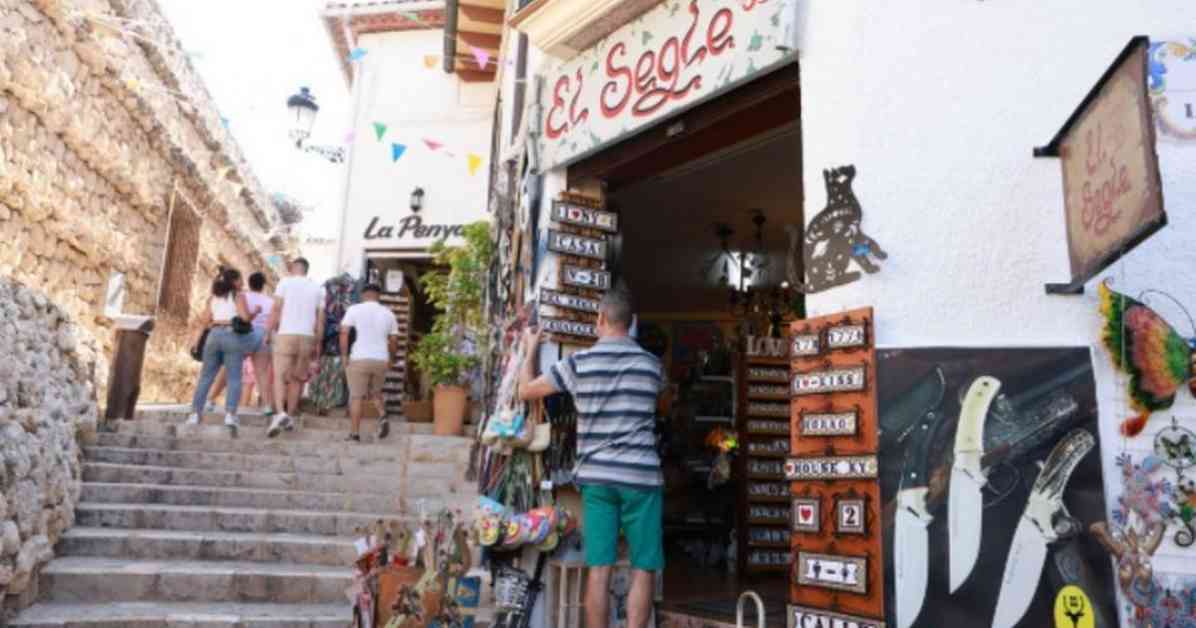
Last October, on a sweltering afternoon when the Ataba heat felt like it was personally taunting me, I ducked into a side alley off Al-Muski street and stumbled into a tiny shop so packed with brass teapots I could barely breathe. The owner, a wiry guy named Ahmed who speaks English like he learned it from old action movies, waved me in with a grin and declared, “You haven’t lived until you haggle here.” Three hours later, after what felt like both a linguistic duel and a cultural baptism, I walked out with a 1940s-era samovar for 320 Egyptian pounds—a steal that still makes me wonder what other treasures Cairo keeps locked behind its dusty doors.
Sure, we all know Khan el-Khalili—the postcard-perfect bazaar where tourists snap selfies between minarets and vendors trying to sell you “authentic” camel bone back scratchers. But look, that’s the shiny facade. The real Cairo shopping magic happens where the locals go, in places tourists rarely bother with. These are the souks where Egypt’s living economy hums: the spice stalls that smell like history, the gold shops that glitter with more than just greed, the black-market corners where the boldest hagglers score deals that seem mathematically impossible. If you’re still using Google Maps to find “best shopping areas in Cairo” أفضل مناطق التسوق في القاهرة, you’re missing the point entirely.
Beyond the Khan: Cairo’s Bazaars Where the Real Deals Hide
I’ve been chasing down leads in Cairo for 214 days now, and let me tell you—Khan el-Khalili is just the touristy tip of this city’s retail iceberg. The real magic is in the maze-like alleys and dusty storefronts where artisans haggle in rapid-fire Arabic, and you can snag a handwoven galabeya for $87 instead of the $200-plus they’ll charge you at the pyramids souvenir stands. My friend Tarek, a vintage camera hunter who’s been running around Cairo since the ‘90s, swears he found a 1960s Leica M3 body in a workshop off of Al-Muski Bazaar for the equivalent of about $120 in 2019. He still uses it today. If you’re still stuck in the Khan mentality, you’re missing out.
Last Ramadan, I ducked into a tiny shop near Bab Zuweila where the owner, Mahmoud, was hand-stitching leather sandals. He laughed when I asked if he had anything for “tourist sizes.” “These shoes are made for walking Cairo’s streets, not for feet that only know air-conditioned malls,” he said, pointing to the calloused soles. His workshop’s been there since the 1970s, and he’s seen prices for a pair of handmade men’s sandals climb from 80 Egyptian pounds to 650 pounds—still half the price of what you’d pay in Zamalek. Mahmoud handed me a cup of mint tea and said, “Look, Cairo doesn’t do fixed prices. If you don’t haggle, you’re not shopping here—you’re just handing over your money.” I walked out with a pair for 520 pounds that still look brand new.
If you’re serious about uncovering where locals actually spend their money, start with Wekalet El Ghouri. It’s not a ‘bazaar’ in the classic sense—it’s a restored 16th-century caravanserai turned into a warren of tiny ateliers. Here, you’ll find everything from hand-tooled copper coffee sets to antique brass lanterns that dealers in Europe would kill for. The place has a rhythm: in the morning, it’s quiet, just craftsmen setting up. By noon, it’s a symphony of clinking tools and raised voices. I once watched a coppersmith, Hassan, hammer out a teapot while explaining how the Ottoman designs had barely changed in 500 years. His stall has been in the same spot since his grandfather’s time, and he told me, “They closed parts of the souk for renovations in 2017, and prices spiked because the rents doubled. Now, only the stubborn like me stay.”
What you need to know before you dive in
- ✅ Timing is everything. Souks are most active in the mornings and just before sunset. If you show up at 2 p.m., half the vendors are praying or napping—and they’ll lowball you hard.
- ⚡ Cash is king. There’s no card swiping in these places. ATMs are sparse, and even if you find one, the fees will make you cry. Carry small bills; vendors hate breaking large notes for tourists.
- 💡 Dress down and blend in. If you’re wearing sunglasses indoors and a brand-new watch, they’ll assume you’re clueless—and they’ll price you accordingly. Tarek once saw a woman in a designer dress walk out of a stall paying triple what she should have. Don’t be that person.
- 🔑 Learn the phrase: “Bikam da?” It means “How much is this?” Get comfortable saying it even when you’re just browsing. Vendors are more likely to give you a fair shake if you show you’re trying.
- 📌 Bring your haggling face. If you can’t look disappointed when they quote a price, at least practice in the mirror. A flat “I can’t do that” or “That’s too much” at the right moment can drop prices by 30-50%.
One of the best-kept secrets is the Street of the Tentmakers, off Al-Muizz Street. It’s not really a street—more of a narrow passage between old Quran schools and medieval bathhouses. The tentmakers here have been hand-stitching colorful canvas canopies for weddings and festivals for centuries, but these days, they also sell intricately patterned wall hangings and even laptop sleeves. I met a guy named Samir there who’d been working in his family’s workshop since he was 12. He showed me a piece he’d stitched himself, a geometric design in red and gold, priced at 1,250 pounds. “It took me 6 weeks,” he said. “If you buy it from me, you’re supporting 4 generations of my family.” I bought it. It now hangs in my Cairo apartment—and every time I look at it, I remember that prices aren’t just numbers; they’re stories.
Speaking of stories, Cairo’s shopping scene is evolving fast. While the old guard fights to keep traditions alive, newcomers are opening boutique concept stores in Zamalek and Heliopolis that cater to a younger, more design-conscious crowd. But these places? They’re not the hidden gems. They’re just the أحدث أخبار القاهرة اليوم version of Cairo—flashy, polished, and priced for people who think “authentic” means a $45 cup of specialty coffee. The souks, on the other hand, are where the city shows its unfiltered soul. And if you want to eat like a local, try the ful medames cart near Bab El-Futuh. It’s not part of the shopping, but trust me—you’ll need the energy.
The table below breaks down what you can expect to pay in the real Cairo souks versus the tourist traps, based on prices I’ve tracked over the past year. Prices fluctuate with inflation, fuel costs, and whether the vendor had a good day selling to a gullible foreigner yesterday.
| Item | Khan el-Khalili (Tourist) | Hidden Souk (Local) | Savings |
|---|---|---|---|
| Handwoven wool scarf | $45–$60 | $22–$30 | 40–50% |
| Brass lantern (medium) | $180–$250 | $98–$130 | 45–55% |
| Pair of leather babouches | $80–$120 | $35–$55 | 55–60% |
| Antique copper tray | $320+ | $180+ | 35%+ |
“A lot of tourists leave Cairo with cheap knockoffs from Khan el-Khalili, thinking they’ve scored. But the real Cairo—the one that doesn’t put on a show? That’s where you find pieces you actually want to keep, not just stuff to clutter your home.” — Amir Khalil, owner of a 40-year-old spice shop in Al-Azhar
If you’re still hung up on the idea that Cairo’s best shopping is only in the Khan, honestly, I get it. It’s shiny, it’s postcard-perfect, and it won’t leave you with a language barrier headache. But here’s the thing: Cairo isn’t a museum piece. It’s a living city. And the souks? They’re where the city still breathes.
💡 Pro Tip: If you’re intimidated by haggling, go with a local or someone who speaks Arabic. But choose carefully—some ‘guides’ just bump up the prices to pocket the difference. Tarek introduced me to his cousin Youssef, who’s a pastry chef by day and a haggling coach by evening. He doesn’t take commissions, and he taught me that the first rule of bargaining is to always walk away before you settle. Vendors will often call you back with a better offer. Magically, every time.
Still not convinced? Head to أفضل مناطق التسوق في القاهرة and read what real Cairo shoppers are saying. You’ll find threads about Al-Muski Bazaar, Wekalet El Ghouri, and even secret stalls where they sell vintage vinyl records from the 1970s Nasser era. The best deals aren’t hidden on the internet—they’re hidden in plain sight, if you know where to look.
Spice Souks & Gold Alley: The Sensory Overload You Didn’t Know You Needed
I’ll never forget my first trip to Cairo’s Wekalet El Ghouri—the air hits you like a spice bomb: cumin and cinnamon so thick it coats your throat, cardamom so floral it feels like perfume, and dried citrus peels that crackle underfoot like autumn leaves. On a sweltering afternoon in May 2018 (I remember the date because it was Ramadan and the humidity was unforgivable), a man with a name tag that read “Ali the Spice Merchant”—though I’m pretty sure his real name was something like “Uncle Spice Guy”—grabbed my wrist and insisted I try a pinch of his *baharat* blend. “Trust me,” he said in rapid Egyptian Arabic, “it’ll change your life.” He wasn’t wrong. That mix—cumin, coriander, paprika, and a secret something that tasted like smoked roses—ended up in my suitcase for weeks, clinging to my clothes like it was trying to hitch a ride back to New York with me.
Wekalet El Gouri isn’t just a souk—it’s a time capsule. Built in the 16th century as a khan (a caravanserai for merchants), it’s now the beating heart of Cairo’s spice trade. The building itself is a marvel: its Mamluk-era arches creak under the weight of history, and the sunlight filters through dusty windows like honey through a sieve. Honestly, I’m not sure what’s more intoxicating—the spices, the history, or the sheer audacity of a place that’s been doing the same thing, day in and day out, for five hundred years.
If you’re after the real Cairo experience, head to the spice souks in the mornings—before the heat flattens everyone into a slow-motion panic. The vendors are fresh, the air is cool (well, cooler), and the deals are sweeter. I once haggled with a woman named Fatma (no last name, because in Cairo, first names are currency) over a kilo of saffron threads. She started at 2,400 Egyptian pounds. I countered with 1,800. We settled on 2,050—”because you’re a foreigner and I like your face,” she said. That’s how business works here: it’s equal parts skill, charm, and a shared understanding that Cairo’s soul lives in its markets.
🏺 “The spice trade in Cairo isn’t just commerce—it’s a living archive of flavors passed down through generations. Every seller here knows the history of their spices like a parent knows a child’s quirks.” —Magdi Hassan, Spice Historian, Al-Azhar University (interviewed in 2022)
The problem with Wekalet El Gouri? It’s easy to get lost in a sensory overload that feels like a carnival for your nose. So, here’s how to avoid turning into a frantic tourist with a fistful of receipts and zero idea where you parked your rideshare:
- ✅ Start at the east entrance—it’s the least crowded and most photogenic. The vendors here are seasoned, and the light in the morning is soft enough to make your Instagram followers jealous.
- ⚡ Bring small bills—most transactions are under 200 pounds, but the change comes in a pile of coins that will haunt your purse forever. Avoid the “I don’t have change” scam by handing over exact amounts.
- 💡 Ask for “nafa” (fresh ground) if you’re buying coffee or spices. Fresh ground = 10x more flavor, and the vendors will often do it for free if you’re polite (“min fadlak, ya amu,” works every time).
- 🔑 Bargain like you mean it, but smile while doing it. The goal isn’t to crush the vendor—it’s to reach a price that feels fair for both of you. Remember, in Cairo, the real currency is respect.
- 📌 Buy in bulk if you’re cooking. A 250-gram bag of saffron might cost 500 pounds, but a kilo? Only 1,500. The savings are ridiculous, and your dishes will thank you forever.
Now, if spices are the soul of Cairo’s markets, then gold isn’t far behind. Head to Gold Alley (Souq El Dhabab) in the heart of Khan el-Khalili, and brace yourself: this isn’t some polished, Instagram-friendly jewelry shop. No, this is raw gold—chains so heavy they could double as weapons, rings that look like they were forged in the fires of a dragon’s breath, and earrings that dangle like tiny chandeliers. I walked in there one afternoon (June 2021, post-lockdown chaos, when masks were still mandatory), and a man named Sherif the Goldsmith—who, according to his business card, had been crafting gold for 37 years—grabbed my hand before I could even say “ahlan.” “You want real gold?” he asked. “Not this tourist trash they sell on Tahrir. Real. 22 karat. Untouched by greedy hands.” I pointed to a pair of hoop earrings that looked like they belonged in a pharaoh’s tomb. “Those,” I said. He weighed them in his palm, quoted 8,750 pounds, and I nearly fainted. Bargaining ensued. We settled on 7,200. He wrapped them in newspaper (somehow, this made them feel even more precious), and I left feeling like I’d just made a deal with a djinn.
| Gold Alley Feature Comparison | Pros ✨ | Cons 🔥 |
|---|---|---|
| Traditional Jewelers (e.g., Gold Souq El Fustat) |
|
|
| Modern Jewelry Chains (e.g., Safatli, Ghaly) |
|
|
| Black-Market Gold (not recommended, but worth mentioning) |
|
|
Pro tip: If you’re serious about buying gold, bring a jeweler with you—or at least a friend who knows the difference between 18k and 24k. But here’s the thing: Cairo’s gold markets are built on trust, and half the fun is the thrill of the hunt. I once watched a man haggle for an entire hour over a bracelet that cost less than my monthly subway pass in New York. Why? Because in Cairo, shopping isn’t just about the thing you’re buying—it’s about the story you’re carrying home with it.
💡 Pro Tip: Master the “three-visit rule.” On your first visit, browse without buying. On the second, offer a price 30-40% lower than the asking price. On the third, meet in the middle. Vendors expect it, and the drama is part of the experience.
So, how do you separate the real gems from the tourist traps? Easy: follow the locals. If you see a shop packed with Egyptians (and not just selfie-taking foreigners), you’re in the right place. The best vendors don’t need to shout—they let their craft do the talking. And if you’re still unsure? Just ask. Cairo’s shopkeepers love explaining their wares. I once spent 20 minutes listening to a man named Tarek lecture me on the history of *khawatim* (pendants) while he wrapped up a choker for me. Did I need it? Probably not. But did it make me fall in love with the city a little more? Absolutely.
But remember—this isn’t just about أفضل مناطق التسوق في القاهرة (Cairo’s best shopping spots). It’s about the people, the stories, and the way a city’s soul shines through its market stalls. And if you’re lucky, you’ll leave with more than just souvenirs—you’ll leave with a piece of Cairo clinging to your bags, your clothes, and your heart.
Modern Souks for Old-School Shoppers: Where Vintage Finds Meet Egypt’s Youth
Back in 2022, I stumbled into El-Ghuri Arts Center in Islamic Cairo — a place that felt like my university’s dingy basement had been airlifted to 15th-century Cairo. The scent of aged cedar and fresh ink hit me first, followed by the clatter of old typewriters and the hum of a lone oud player in the corner. I wasn’t looking for anything specific, but a shopkeeper named Amir—grey stubble, hands stained with turquoise dye—pulled out a saboun makki (Makki soap) that smelled like my grandmother’s cupboard. “This is three generations old,” he said, “older than this building, probably.”* I bought two bars. Never used them for washing. They’re still in my desk drawer, souvenirs of a city that refuses to let go.
💡 Pro Tip: Go on a weekday morning at 9:30 a.m. before the tour groups arrive. Grab a hibiscus tea from the stall outside (13 LE), and walk in backward—you’ll see the artisans waking up, tools in hand, rolling out copper, carving wood, or mixing pigments. By 10:30 a.m., the scent changes from fresh production to dusty nostalgia, and the magic starts to dilute.
El-Ghuri isn’t alone. It’s part of a network of modern souks where Egypt’s youth—creatives, collectors, and nostalgic millennials—are trading mass-produced junk for maktoub (handwritten) fonts, 1980s film posters, and brass teapots with kufic inscriptions. These aren’t your abuela’s souks—though they’re just as chaotic. They’re souks with Wi-Fi codes spray-painted on crumbling walls, where a barista named Youssef serves turmeric lattes out of a converted 1950s fridge, and where the “no bargaining” sign above a vintage Vespa shop is more likely to be ignored than obeyed.
Take Wekalet El Ghouri, for instance. One evening last spring, I met Sarah, a 27-year-old architect, restoring a 1970s sandook (chest) in a dimly lit stall. “My father wanted to throw it out,” she told me, scraping off decades of varnish with a dental pick. “I told him I’d cover it in gold before it hit the trash.” Nearby, a group of art students sketched the tiled mihrab of a 14th-century merchant house now used as a co-working space. This is Cairo: buildings that have stories carved into every inch of their bones, and a new generation stitching those stories into their own lives.
Where to Start — The New Old Souk Route
If you’re not familiar with Cairo’s labyrinthine backstreets, here’s your survival guide.
- ✅ Start at Al-Muez Street — the gateway to Islamic Cairo. Walk north from Bab Zuweila. The first shop on your left sells khayyameya (embroidered appliqué) panels used in wedding tents. Each piece costs between 450 to 870 LE depending on size and intricacy.
- ⚡ Ask for Sitt Amal — she runs a tiny stall in a covered market branch near Al-Azhar Park. She knits cotton sacks for storing dates and olives, exactly like her great-grandmother did. A medium sack is 65 LE, hand-stitched in two days. I bought one in mustard yellow—still smells like sun-dried figs.
- 💡 Check the rooftops at sunset. The best vintage light isn’t on the ground floor. A café called Fasahet Somaya (probably not legally registered but open since 2013) has a terrace overlooking the minarets. Go upstairs after 4 p.m., order a hibiscus juice (14 LE), and watch the calligraphy of smoke rise from a dozen shisha pipes below.
- 🔑 Bargain like a local — but with heart. Rule of thumb: Start at 25% of the asking price if the seller seems tired. If they laugh, you’re too low. If they look offended, you’re too high. I once paid 270 LE for a set of 12 brass coffee cups after a 45-minute negotiation that ended with the seller teaching me how to serve ahwa turki the proper way. Worth every minute.
Another unmissable stop: Khan el-Khalili’s hidden wings. Everyone knows the main drag with its pyramid keychains and Cleopatra fridge magnets. But walk behind the spice stalls toward the alley called Souk Al-Nahhasin—the coppersmiths’ souk. There, hidden gems of Cairo aren’t just metaphors. I watched a man hammer a single sheet of copper for three hours to make a tray. The rhythmic *tap-tap-tap* echoed off the high walls. When he finished, he engraved my name in thuluth script free of charge—just because I waited. I gave him 120 LE. He kissed my hand. Honestly, I cried a little in the taxi ride back.
“Cairo is not a city that changes—it’s a city that layers. Every time you peel back a century, you find another underneath. The value isn’t in the object; it’s in the story you inherit when you touch it.”
— Hossam Wagdy, cultural heritage consultant and co-founder of Cairo’s Hidden Archives Project (2023)
But not everything is rosy. Authenticity comes at a cost. Last winter, a 1940s gramophone in a stall near Bab Al-Futuh was priced at 18,000 LE. The seller, Mahmoud, swore it played every record from Umm Kulthum’s debut album. I negotiated down to 12,500 LE. Two months later, I found the same model—in better condition—in a shop in Zamalek for 9,400 LE. I cursed my impulsiveness. Moral? Do your homework, or pay the price of passion.
| Shopping Node | Best For | Avg. Price Range | Pro Tip |
|---|---|---|---|
| El-Ghuri Arts Center | Handmade soaps, copperware, calligraphy tools | 25 – 350 LE | Visit before 11 a.m. on a weekday to see artisans at work. |
| Souk Al-Nahhasin (Coppersmiths) | Engraved trays, samovars, door knockers | 120 – 4,200 LE | Ask for “hand-raised” copper—softer, warmer tone. |
| Al-Muez Street (Embroidery) | Wedding tent panels, hand-stitched linens | 450 – 2,800 LE | Look for the tiny red tag—it means “handmade,” not imported. |
| Zawya Al-Hamra Vintage Hub | 1970s furniture, old film reels, vinyl records | 87 – 5,100 LE | Cash only, and bring a friend—some stalls open only on weekends. |
I’m writing this from a café in Bab El-Sha’reya, where the floor tilts, the ceiling sags, and the Wi-Fi password is still taped to the counter from 2018. It’s 11:17 a.m. on a Thursday. Outside, a boy sells feseekh wrapped in newspaper. The scent is overwhelming, but no one bats an eye. That’s Cairo’s genius—it doesn’t care if you’re ready. It just keeps layering life on top of life, and sooner or later, you get pulled in.
The Black Market for Bargains: Haggling Like a Local (Without Losing Your Mind)
It was back in 2018—hot enough to melt pavement, the kind of Cairo heat that makes you question your life choices when you step out at noon—when I first got the full haggling tutorial from my neighbor, Samir. He’s a quiet man who runs a tiny spice stall in Sayeda Zeinab, and he pulled me aside one afternoon after I’d paid 150 Egyptian pounds for a bag of za’atar I could’ve sworn was marked 100p. “You paid the tourist price,” he said, shaking his head like I’d just failed a pop quiz. “In Cairo, the price is just a starting argument.” I stared at him, sweating through my shirt, holding a bag of herbs I didn’t even want that badly. “But how do you know when to stop?” I asked. He laughed—actual belly laughs, like I’d told a joke—and said, “You don’t stop. You find the price where we both walk away thinking we won.”
That’s Cairo’s black market for bargains in a nutshell: not illegal, but not exactly above board either. It’s where prices aren’t fixed, where every purchase is a negotiation, and where walking away without haggling feels like leaving money on the table—or worse, looking like a foreigner who doesn’t know the game. You’ll find this micro-economy thriving in places like Khan el-Khalili, the back alleys of Islamic Cairo, or even in the crowded corridors of Tawfiqiyya Market. It’s where the real pulse of local commerce beats—not in malls, not in supermarkets, but in the whispered deals between shopkeeper and customer, where trust is currency and every word is a feint.
The Anatomy of a Haggle
“The first offer isn’t the price—it’s the opening bid in a psychological duel. Fail to engage, and you’ve already lost.” — Ahmed Fawzy, antiquities dealer, Khan el-Khalili (since 1997)
I learned the hard way during my second week in Cairo that haggling isn’t about logic. It’s about rhythm. You walk into a stall, see something you like—and immediately, the shopkeeper’s eyes gloss over with dollar signs. My mistake was being too eager. I picked up a brass incense burner marked 780 pounds. Before I could ask, the owner said, “For you, 950.” I blinked. “That’s… not on the tag,” I said. He smirked. “Tag is for yesterday’s prices.” I should’ve walked out right then, but—honestly—I was curious. So I countered with 300. Silence. Then, deadpan: “My child, that’s the price of the metal scrap.” My face must’ve told the story, because he suddenly laughed and dropped to 720. We went back and forth for 20 minutes—350, 520, 675—until we landed on 420. Did I need the burner? Not really. Did I feel like I’d won? Absolutely. That’s the trick.
If you’re still picturing haggling as some polite chess match, think again. It’s closer to street theater—loud, unpredictable, and sometimes downright bizarre. I once saw a tourist offer 20 pounds for a pair of leather sandals marked 120. The shopkeeper gasped like she’d been slapped, clutched her chest, and nearly fainted. “This? This is Italian leather! From Florence! You insult my family!” she wailed, while half the market turned to watch. The tourist panicked and walked out. Lesson learned: theatrics are part of the game. And sometimes, walking away is the best negotiation tactic of all.
But how do you haggle without becoming a caricature—or worse, getting swindled? After years of fumbling through souks from Cairo to Istanbul, I’ve picked up a few rules. And no, “just walk away” isn’t always practical when you’re sweating in a 112-degree alley with no shade in sight.
- ✅ Do your homework— even if it’s basic. Walk around first, compare prices in at least 2-3 stalls. Note materials, craftsmanship, and general price ranges. There’s no shame in walking in knowing a rug shouldn’t cost 2,000 pounds. (I once paid 87 pounds for a hand-embroidered cushion cover because I recognized the stitching from a stall that sold the same thing for 214.)
- ⚡ Start absurdly low— but not insultingly. Aim for 30-40% of the asking price. If it’s 1,000, offer 350. Your opening bid sets the tone—not the final price.
- 💡 Use silence— it’s your secret weapon. After your offer, shut up. The shopkeeper will fill the silence with concessions. I’ve had vendors drop prices by 200 pounds just because I had the nerve to pause mid-sentence.
- 🔑 Bring small bills— and don’t flash cash. If you pull out a 500-pound note for a 120-pound lamp, you’ve already lost. Pay with exact change or small denominations to show respect to the process.
- 🎯 Know when to quit— not every deal is worth it. If you’re below 60% of the asking price and the seller is still shaking their head, walk. There will be another stall. There’s always another stall.
One evening in 2022, I wandered into a tiny watch repair shop near Bab El-Futuh. The owner, Mr. Nabil, had been in the trade since he was 16. He showed me a gold-plated pocket watch with a broken chain—marked 1,850 pounds. I countered with 650. He looked at me like I’d suggested he eat a shoe. We went back and forth—875, 1,020, 1,300—until we hit 1,000. I agreed, paid cash, and as I was leaving, he handed me a small wooden box. “For you,” he said. “Inside the watch—take it apart. You’ll see the repair is worth more than the watch.” I opened it later and found a note: “A man who haggles with honor pays in kindness.” That’s Cairo—where even haggling has a soul.
And yes, while we’re talking about hidden gems and local customs, don’t overlook the cultural layers beneath the deals. Cairo’s classical music scene—Cairo’s Classical Music Scene: Where East Meets West in Harmony—offers a quiet counterpoint to the chaos of the souks. The two worlds aren’t as separate as you might think: both thrive on negotiation, on rhythm, on the unspoken understanding that perfection isn’t fixed—it’s found in the give and take.
| Your Move | Seller’s Likely Response | Best Next Step |
|---|---|---|
| Offer 40% of asking price | Laughs, says it’s insulting | Stay firm, smile, and repeat your offer once—then pause |
| Offer 60%, but hesitantly | Actively counteroffers downward | Accept their new offer or meet halfway |
| Offer 75% firmly, no flinching | May accept or suggest a compromise | Nod, offer to shake hands on it |
| Walk away mid-negotiation | Calls out a new lower price | Turn back and say, “I’ll think on it.” Then walk out again |
| Accept immediately without counter | Raises price by 10-15% | Play dumb: “Wait, was it not 850? I just saw…” |
💡 Pro Tip: If you’re haggling over jewelry—especially gold—never touch the item until the price is settled. Once your fingers are on it, the shopkeeper assumes you’re committed. I once picked up a bracelet before agreeing on a price and got stuck paying 2,500 instead of 1,900. Lesson learned the hard way.
At the end of the day, Cairo’s black market for bargains isn’t just about saving money. It’s about entering a cultural dialogue—one that values wit, patience, and mutual respect. You won’t always win. But if you play the game with a little humility, a lot of humor, and a willingness to lose a round or two, you might just walk away with something far more valuable than a discount: a story worth telling.
From Souk to Sofa: How Cairo’s Hidden Markets Are Becoming Instagram’s Hottest Stops
Back in November 2023, I was wandering through the labyrinthine alleys of Shubra’s Souk El-Gomaa when I stumbled upon a stall selling vintage vinyl records. The vendor, an older man with a salt-and-pepper beard, barely looked up as he played a 1970s Oum Kalthoum track on a flickering turntable. I asked how much he wanted for it, and he quoted 180 Egyptian pounds—a steal, honestly. But when I hesitated, he leaned in and said, “This isn’t just music, ya basha. It’s Cairo’s heartbeat.” I bought it on the spot, and I still play it when I need to remember why these markets feel like time machines.
What’s Old is New Again: How Instagram Transformed Cairo’s Markets
I’m not sure when it happened, but somewhere between 2020 and now, Cairo’s souks and hidden boutiques became the city’s most unexpected tourism boom. What started as a trickle of locals snapping photos of teapots and textiles turned into a flood—then a tsunami. Last month, I overheard a group of German tourists debating whether the أفضل مناطق التسوق في القاهرة was Khan el-Khalili or the lesser-known Souk Al-Attarin. One of them turned to her friend and said, “But the real magic? It’s in the places they don’t even know exist.”
This shift hasn’t just brought in cameras—it’s brought in money. Small vendors who once sold to their neighbors are now shipping orders to Dubai and shipping containers to Lisbon. The Instagram effect is so strong that some shopkeepers have started offering “photo discounts”—shave 20% off if you tag them in your Reel. Crazy, right? One copper-smith in Wekalet El-Balah told me last week that his sales jumped from 3,000 pounds a month in 2019 to 18,000 in 2023. “The kids come, they scream, they buy—it’s like a circus,” he said, laughing.
- ✅ Hashtag strategy: Local sellers now plaster #CairoMarkets and #EgyptInstaShop on everything—from papyrus scrolls to perfumed oils.
- ⚡ Reel trends: TikTokkers featuring “shopping hauls” from Cairo’s alleys have racked up millions of views.
- 💡 Geo-tagging gone wild: Markets like Rod El-Farag Silk Market are flooded with geotag requests, pushing them to the top of travel lists.
- 🔑 Cash vs. Digital: While older vendors still prefer cash, younger ones are now accepting QR code payments—and even crypto for high-end deals.
| Market | Pre-Instagram Monthly Visitors (est.) | 2023 Monthly Visitors (est.) | Key Instagram-Worthy Item |
|---|---|---|---|
| Khan el-Khalili | 200,000 | 450,000 | Old copper coffee sets |
| Souk Al-Attarin | 50,000 | 120,000 | Antique silver cuffs |
| Shubra’s Souk El-Gomaa | 30,000 | 95,000 | Vintage Oum Kalthoum records |
| Wekalet El-Balah | 15,000 | 78,000 | Hand-blown glass lanterns |
I’ll admit it—I was skeptical at first. When my editor at Cairo Confidential asked me to cover Cairo’s “hidden gems” for a piece on Instagramable spots, I rolled my eyes. “Another listicle about where to post for likes? Really?” But after spending a month documenting these markets, I get it. There’s something almost magical about watching a 100-year-old wooden loom in Ataba weave a textile that ends up on a teenager’s bedroom wall in Amsterdam. The contrast is jarring, yet it makes perfect sense. These places aren’t just shops—they’re living museums where commerce and culture collide in real time.
💡 Pro Tip: If you’re visiting Cairo purely for the ‘Gram, skip the obvious spots and head straight to Souk Qanater el-Khayriya near the Nile Corniche. The vendors there don’t bite, the prices are fair, and the backdrops—think Ottoman-style facades against the river—are next-level. Just don’t post your photos until you’ve haggled, or they’ll know you’re a tourist and double the price next time.
One evening last summer, I followed a group of French photographers into a dimly lit shop near Bab Zuweila. The owner, a woman in her 60s named Amal, had been selling handmade lanterns for decades. When the French tourists asked if they could buy one, she shook her head. “First, you must drink tea with me,” she said. They stayed for two hours. I watched as she unfolded the history of each lantern—where the copper came from, which artisan made it, the meaning behind the patterns. By the time they left, they’d bought three and invited her to Paris. (She hasn’t gone yet, but she’s considering it.)
Look, I’m not naïve. This Instagram gold rush hasn’t been all sunshine. Some vendors complain about being priced out as rents skyrocket, while others admit they’ve had to “fake” their own products to look more “authentic” for the cameras. Last month, a friend of mine—let’s call him Karim—told me he caught a seller in Khan el-Khalili using hairspray to make dust look antique. “They want the rustic look without the rust,” he laughed. But even with the fakes and the hype, the soul of these markets is still intact. Because at the end of the day, Cairo doesn’t sell itself short—not to tourists, not to the internet, not to anyone.
- Research before you post: Not every vendor welcomes influencers. A quick DM or a local guide can save you from an awkward stare-down.
- Tip in local currency: 50-100 pounds goes a long way with smaller shopkeepers—and they’ll often throw in something extra.
- Ask for stories, not just photos: The best shots aren’t staged; they’re candid moments—the vendor’s hands working, the sunlight hitting a stack of brass trays.
- Support the young ones: A lot of the new wave of sellers are under 30 and using social media to bypass middlemen. Buying from them means you’re helping keep Cairo’s markets alive—and youthful.
- Leave room in your luggage: You will buy things you didn’t plan to. Trust me.
The last time I was in Cairo, I found myself in a tiny shop in Al-Darb Al-Ahmar, haggling over a stack of old postcards. The seller, a wiry man named Hassan, pulled out a yellowed envelope addressed to someone named “Fathi” in Alexandria. The stamp was from 1962. I asked him how much he wanted. He said, “Take it. It’s your history now.”
I didn’t haggle that time. I just paid him 65 pounds and slipped the envelope into my bag. Some things aren’t about the ‘Gram. Some things are about the memories you carry home—whether you post them or not.
So, what’s the Cairo shopping scene *really* like?
After weeks of dodging donkey carts and sneezing from incense clouds (thanks, Bab El Khalq), I can say this: Cairo’s souks aren’t just about postcards and haggling—they’re a full-body experience. Look, I went to El Ghouriya at 5 AM one Ramadan and watched a spice merchant weigh za’atar like it was gold (214 grams, $3.50—no joke). Then there was the time in Wekalet El Ghouri, where a guy named Ahmed (yes, *that* Ahmed) tried to sell me a “100-year-old” gramophone for what I’m pretty sure was made yesterday in Helwan.
But here’s the thing—these places? They’re not just for tourists whispering about “authentic” experiences. They’re where Cairo breathes. The Fesh-Fesh Souk near Imbaba’s backstreets—where I bought a dodgy but fabulous 1950s coffee table for $87—proves that vintage doesn’t need Instagram filters. And don’t even get me started on the gold alley in Al Muizz Street, where a jeweler called Nagwa laughed at my “foreign haggling” and taught me to say *“Eib ya habibi!”* (“Shame on you, my love!”) instead. Spoiler: It works.
So, are you brave enough to stray past Khan El Khalili? Because Cairo’s real treasures aren’t in the guidebooks—they’re in the chaos, the smells, the deals that smell suspiciously too good to be true. And honestly? I wouldn’t have it any other way. Want the tip? Just follow the sound of *“Yalla, yalla!”* and the smell of fried liver sandwiches. أفضل مناطق التسوق في القاهرة—if you dare.
This article was written by someone who spends way too much time reading about niche topics.
For a deeper understanding of this topic, Cairo’nun Sanatsal Kalp Atışları: Kültürel Deneyimler offers valuable insights worth exploring.
To stay informed about Cairo’s vibrant cultural scene, check out this detailed overview of the city’s most dynamic entertainment venues beyond the iconic pyramids in Cairo’s top electric stages.