Getting Around Birmingham: Public Transport or a Car?
Compare Birmingham buses and trains with driving, from journey flexibility and local routes to parking, journey planning and practical travel costs.

For many Birmingham journeys, buses and trains are the simpler choice: they avoid parking and can work well for trips into the city centre or between connected neighbourhoods. A car offers more flexibility for destinations with limited public transport, bulky items or several stops. The best option depends on your route, timing, parking needs and how many people are travelling.
Birmingham’s bus and rail networks serve different journeys, so check the whole route rather than assuming one mode will get you door to door. A short walk or change may make public transport practical, while congestion and parking can reduce the convenience of driving.
Compare the full cost of each option before setting off, including transfers, parking and any extra driving. Check current service information and road restrictions on the day, then choose the mode that best fits your destination and plans.
- Compare door-to-door time and cost, including transfers, parking and walking.
- Buses and trains suit many trips to well-served destinations; check the return route.
- A car can help with multiple stops or bulky items, but plan parking and check local rules.
- Recheck service and road information before setting off.
How Birmingham’s Transport Choices Shape Everyday Trips
Match the Mode to the Route
Start with your actual origin and destination, because Birmingham’s transport options vary considerably by route. A journey between the city centre and a well-served rail stop may be straightforward by train, while a trip across neighbourhoods may depend more on local buses. Driving can help when either end lies far from a convenient stop.
- Choosing a mode before checking the full route; compare door-to-door journeys instead.
- Assuming the nearest station is close enough; check the walking leg and accessibility.
- Comparing a single ticket with the whole cost of driving; include parking and every traveller.
For journeys around central Birmingham, compare walking between stops with making an extra change; a direct bus or a short walk from a station can sometimes save hassle. Visitors bringing Turkish lira can use güncel döviz kurları to understand how their travel budget converts, while checking actual transport costs separately.
Think about what you will carry and what happens after arrival. A compact bag and a fixed appointment can make a bus or train an easy fit, while luggage, equipment or several errands may favour a car. Check the last leg on foot too, especially if the destination is beyond the nearest stop.
Understand the Local Network
Birmingham New Street is a major rail interchange, but it is not the only useful arrival point for city trips. Moor Street and Snow Hill also serve central destinations, so check which station is closest to where you are going. A shorter walk at the destination can matter more than choosing the most familiar station.
Local buses reach places beyond the rail network and can connect neighbourhoods without a city-centre interchange. Routes and stopping patterns differ, however, so check whether your bus is direct and where it stops. For a visitor, confirming the stop on a map can prevent an avoidable walk in the wrong direction.
Some trips combine modes rather than choosing between them: a train may cover the longer leg, with a bus or walk completing the journey. Allow time for transfers and check that the connection works for your arrival time. If travelling with others, agree on a meeting point in case the group becomes separated.
Estimate Your Travel Budget Before You Set Off

Compare the Whole Journey
Compare the total cost of reaching your destination, not just the price of the first bus or train. Include any changes, return travel and the walk or onward ride needed at the other end. For driving, account for fuel, parking and the possibility of paying to park for longer than planned.
For a Turkish visitor weighing driving against buses or trains, döviz kurları çevirici can help convert planned expenses into Turkish lira. Treat the result as a budgeting aid, then check the actual UK transport and parking costs separately. Exchange rates and charges can change, so avoid relying on an old conversion.
The number of travellers can alter the comparison: one person may find public transport simpler, while a group may want to compare the combined fares with the car’s full journey costs. Also consider whether everyone needs to travel at the same time. Separate errands or different return times can make a shared car less convenient.
Build in Time and Flexibility
A cheaper-looking route may not suit a day with a tight appointment or several stops. Compare the expected door-to-door time, including walking, waiting and transfers, with the drive and likely parking search. Leave a buffer where being late would cause a problem, rather than assuming every connection will line up.
For a return trip, check the options in both directions before choosing your outward journey. The service that gets you there may not run as conveniently when you want to come back. Drivers should also consider how long the car will need to remain parked and whether the destination has suitable parking.
Keep a simple note of the choices you compared: route, likely travel time, fares or fuel, and parking. This makes it easier to spot what changes if plans move or another person joins. Recheck live transport and road information before departure, because planned costs do not guarantee that a service or route is running as expected.
When Public Transport Makes Sense
Choose Buses and Trains
Public transport is often a practical choice when your trip starts and ends near useful bus stops or rail stations. It can remove the need to find parking, and a train may suit a longer journey into central Birmingham. Check the route and any transfer before leaving, rather than assuming the nearest service is direct.
- ☐ Check the full route from your starting point to the destination.
- ☐ Confirm whether the journey needs a change between services.
- ☐ Check the walking distance at both ends.
- ☐ Look up current service information before departure.
A bus can be useful for reaching neighbourhood destinations that are not close to a station, while rail can simplify journeys between connected centres. Your best option may combine the two, or pair a train with walking. Check how far you must walk at each end, particularly if you have luggage or mobility needs.
Use the comparison below as a starting point, not a promise of journey time or availability. Services and road conditions can change, so verify the route for your travel day. If an appointment has a fixed start, allow room for waiting and transfers instead of planning around a perfect connection.
| Choice | Works well for | Check before leaving |
|---|---|---|
| Local bus | Neighbourhood trips beyond rail stops | Route, stop and return service |
| Train | Journeys between connected centres | Station location and onward walk |
| Bus and train | Trips needing a longer rail leg | Changes and connection time |
| Walk to a stop | Short journeys near the network | Walking distance and access |
Know When It Fits Best
Public transport tends to work best when your destination is near a stop, your schedule can accommodate the service pattern and you are travelling light. It can be especially handy for a one-off visit to the centre, where parking adds another task. Check the return journey too, especially if you plan to stay late.
It may be less convenient when you need to visit several places in different directions or carry bulky items. A route with multiple changes can take more planning, and not every destination has a nearby stop. Compare the actual connections with the flexibility you need, rather than ruling out buses or trains automatically.
If accessibility matters, check the whole journey rather than only the vehicle or station. Consider step-free access, the distance between platforms or stops, and the walking route to your destination. Where information is unclear, confirm it with the relevant transport operator before travelling so you can choose a workable alternative.
A car can make sense when your journey has several stops, carries bulky items or ends somewhere poorly served by public transport.
Driving in Birmingham: Convenience and Trade-Offs

Value the Door-to-Door Freedom
A car can make sense when your journey has several stops, carries bulky items or ends somewhere poorly served by public transport. You can set your own departure time and keep belongings with you between destinations. That flexibility is useful, but it does not remove the need to plan parking and allow for traffic.
For trips across the wider area, driving may connect destinations that would otherwise require several changes. Before setting out, map the stops in order and check where you can legally park at each one. A route that looks direct on a map may be less practical if the final destination has limited parking.
Do not judge convenience only by the time spent in the car. Searching for a space, walking from a car park and dealing with congestion all add to the door-to-door journey. Compare these parts with the walk, wait and transfer time for public transport, then choose based on the whole trip.
Account for City-Centre Limits
Driving into central Birmingham calls for a check of local rules as well as the route. Look up the current Clean Air Zone information and confirm whether your vehicle is affected before travelling. Do not rely on an old map or someone else’s experience, because vehicle details and rules determine what applies.
Parking restrictions can vary by location, time and type of space, so read the signs when you arrive. Check whether your intended car park suits your vehicle and how far it is from the destination. If you are visiting a busy area, identify a backup option rather than assuming a space will be available nearby.
A sensible driving plan includes a clear arrival point, a legal place to park and enough time for the final walk. If those pieces are uncertain, compare a park-and-continue option or public transport for the central leg. Recheck road conditions and restrictions on the day, especially when an event may affect access.
Consider Costs When Comparing Your Options
Compare the Whole Journey
Compare door-to-door costs rather than looking only at a bus ticket or the fuel needed for a drive. Include travel to the stop or station, parking, and any onward journey at the other end. A route from Erdington to the city centre, for example, may involve a short walk whichever option you choose.
If an unexpected travel expense is quoted in US dollars, 1 dolar kaç TL can help you understand its approximate value in Turkish lira. For an ordinary Birmingham journey, the more useful comparison is usually between the full cost of travelling by bus or train and the cost of using a car, including parking and any extra legs.
Separate costs that change with each trip from costs you pay regardless. Fuel, fares and parking can rise with the journey, while insurance and vehicle tax are part of owning a car whether it stays parked or not. This distinction helps occasional drivers compare fairly with someone who already has a car for other reasons.
Account for Shared Travel
A car can become more cost-effective when several people make the same journey together, especially if they would otherwise each pay separate fares. But the saving depends on the route, parking and whether the driver has to make a detour to collect passengers. For a solo trip into central Birmingham, those costs can outweigh the convenience.
Public transport costs are easier to compare when everyone is travelling from and to similar places. If a group is spread across different neighbourhoods, one person may need an extra bus or a longer walk to reach the same departure point. Agree on a meeting place before deciding that a shared car is automatically simpler.
Consider what happens after arrival as well as how you get there. A car may be handy for carrying bulky shopping or reaching several destinations, while trains and buses can avoid the expense and effort of finding parking. For a visit involving the Bullring and nearby central streets, walking between stops can make a transit journey practical.
Common Planning Pitfalls for Local Journeys
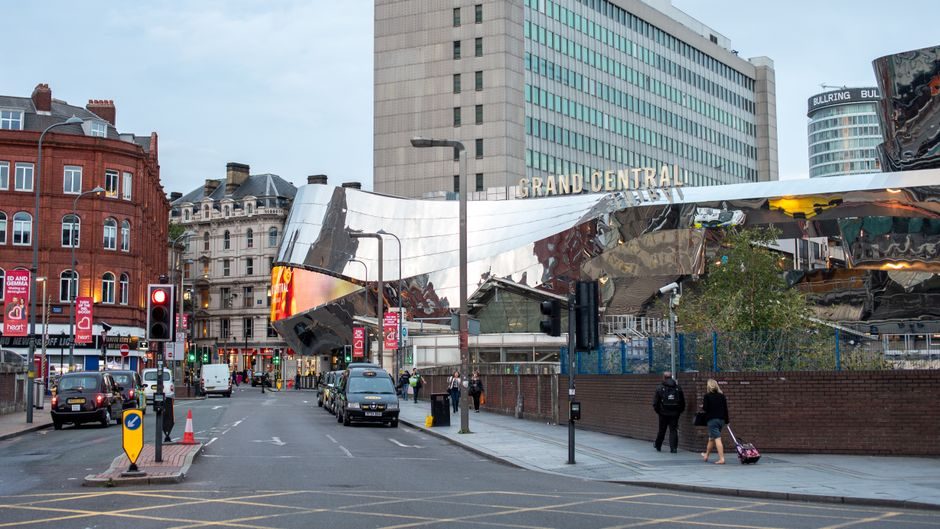
Allow for Connections
A journey with a connection needs more planning than a direct bus or train, because missing one leg can affect the rest of the trip. Check how you will move between services and whether the interchange involves a walk or a change of station. Routes through central Birmingham can be straightforward, but do not assume every connection is immediate.
For a trip across the city, compare the full route from your starting point rather than choosing a service based on its destination label alone. A train may bring you close to the centre, while a bus may stop nearer the place you need to reach. The best choice depends on the final walk, not simply the main leg.
Build a little flexibility into journeys where arriving on time matters. Allow time to get to the stop or station, find the correct platform, and deal with a delayed connection. For less urgent outings, a longer route with fewer changes may feel easier than a theoretically quicker trip that depends on tight transfers.
Check the Final Stretch
A map can make two routes look equally convenient while hiding a difficult final stretch. Check how far the stop or station is from your destination and whether the walk suits your luggage, mobility and the time of day. Around Birmingham, a short distance on a map may still involve a less direct walking route.
Driving also has a final stretch: locating a suitable place to park and walking from it to the destination. Near busy central areas, parking availability can shape the journey as much as road distance does. If you are visiting a specific venue, check its travel guidance rather than assuming you can park beside it.
Avoid planning only for the outward journey. A late return, a change in where you finish, or a need to carry purchases can make the original option less convenient. Before setting off, identify a reasonable alternative route home, especially if your plans involve a connection or an unfamiliar part of the city.
Practical Tips for Smoother Travel
Prepare Before Leaving
Check your route shortly before travelling, particularly if you need to connect between a bus and a train. Use current operator information for service changes rather than relying on an old screenshot or a route remembered from a previous visit. Keep the destination and any interchange point clear so you can adjust if your first choice changes.
For a drive, check the route and likely parking options before entering the city centre. Decide where you will leave the car and how you will continue on foot, rather than circling unfamiliar streets after arrival. If several people are travelling, agree who will check directions and where you will meet if plans change.
Keep essentials easy to reach, including payment methods, travel details and any information needed to find your destination. A visitor unfamiliar with Birmingham can save time by noting the nearest stop or station as well as the street or venue name. These small preparations reduce last-minute decisions when a platform, road or meeting point is busy.
- Check live service information before departure.
- Choose a parking plan before driving into the centre.
- Save the destination and meeting point for easy reference.
Match the Mode to the Day
Choose transport around the specific demands of the day, not a fixed rule that you always drive or always take public transport. A simple trip into the city centre may suit a bus or train, while several stops across the wider area may be easier by car. Recheck the choice when your destination, timing or group changes.
Think about what you need to carry and how much walking is comfortable. A small bag is easy to take on a bus or train, but bulky items may make driving more practical. If you choose a car, consider whether parking near each stop is realistic, or whether it makes sense to park once and walk between nearby destinations.
For visitors, combine modes when that avoids an awkward journey. You might drive to a convenient point and continue by train, or use a bus to reach a rail station before travelling onward. Check that the handover between modes is manageable and that your return plan works too; a mixed journey is useful only when both legs fit.
Make the Choice That Fits Your Journey

Weigh Time and Flexibility
Public transport and driving solve different problems, so compare what matters most for this trip: predictable arrival, flexibility, cost, or the ease of carrying things. A direct bus can spare you parking decisions, while a car can make a multi-stop journey more adaptable. Neither option is automatically faster across every Birmingham route.
- Compare door-to-door time, not just the main travel leg.
- Include parking and onward walking in the cost of driving.
- Choose based on this journey’s stops, passengers and luggage.
Look beyond the journey time shown for the main leg. Add the walk to a stop, waiting, changes and the final stretch for public transport; for driving, include traffic, finding parking and walking from the car. This fuller comparison often changes which option seems quickest, especially when the destination is in or near the city centre.
If plans are likely to change, value flexibility realistically. A car can make it easier to leave one area and visit another, but it may also tie you to parking and a return drive. Public transport can be simpler when your stops are close to services, though a missed connection may reduce that advantage.
Make a Clear Travel Plan
Once you have chosen, make the plan specific: note the departure point, destination, likely connection and how you will finish the journey. For a public transport trip, identify the stop or station and check the return route. For a drive, decide where to park and allow time to walk from there.
Keep one alternative in mind rather than trying to plan every possible disruption. If a train connection is unsuitable, know whether a bus route or a different departure time could work. If driving, consider whether you can leave the car farther from a busy destination and complete the last part on foot or by public transport.
Review the plan when practical details change, such as travelling with someone who needs less walking or carrying larger items than expected. A route that works well for a solo weekday visit may not suit a family outing or an evening return. Choosing again for the actual circumstances is more reliable than following a habit.
Frequently asked questions
Can I combine a bus and train for one Birmingham journey?Yes. A bus can take you to a rail station, or a train can cover the longer part of a trip before you continue by bus or on foot. Check the connection point, the walk between services and the return leg before setting off. The combined route is most useful when it avoids a long drive or difficult parking without adding an awkward transfer.
Is driving always easier for trips outside the city centre?Not necessarily. A car may help when destinations are spread out or you are carrying bulky items, but the route, traffic and parking still matter. Some outer-area journeys are served by buses or trains that bring you close to where you need to go. Compare the full trip and consider whether you will make one stop or several.
What should visitors check before using Birmingham public transport?Check the current route, departure point and any connection using up-to-date operator information. Confirm how far the stop or station is from your destination, and make a return plan before leaving. If you are unfamiliar with the area, save the destination and interchange details so you can identify the right stop and respond calmly if your plans change.
How can I compare transport costs if I already own a car?Separate the cost of owning the car from the cost of using it for this journey. Insurance and vehicle tax are ongoing expenses, while fuel and parking are more directly tied to the trip. Then compare those journey costs with the fares and any extra walking or connections involved in public transport. This gives a clearer picture than treating the car as cost-free.
Choose the Best Fit for Your Birmingham Trip
For Birmingham residents and visitors, the useful comparison is not simply bus or train versus car. Look at the whole journey: getting to the service, changes, the final walk, parking, luggage and who is travelling. Public transport can suit a direct trip into the centre, while driving may help with dispersed stops or bulky loads, but local details can change the answer.
Before your next journey, write down the door-to-door route and the costs or practical demands that matter most. Check current service information if you are taking public transport, or settle your parking plan before driving. If the day involves several destinations, compare a mixed journey as well; choosing for the trip in front of you is more useful than relying on a fixed habit.
Add Birmingham News as a preferred source on Google


