How Birmingham’s New Shops Can Reach Local Customers
A practical guide for Birmingham shop owners: reach nearby residents, plan an opening announcement and choose local channels that keep customers coming back.

To promote a new shop opening in Birmingham, start by identifying the people who live, work and travel nearby, then give them a clear reason to visit. Share practical opening details through local groups, street-level signs and suitable community or news channels. Keep the message visible after opening day with useful updates, events and familiar local partnerships.
A shop in Digbeth may need a different approach from one near Sutton Coldfield or Harborne. Think about how customers reach your door, what they already use in the area and which local routines your offer can fit.
Use the plan below to shape an announcement, choose channels that match your shop and make any news outreach relevant. The aim is not just a busy first day, but recognition among the people most likely to return.
- Start with the people and routines closest to your shop, then make location and opening details easy to check.
- Use a consistent announcement across street-level, online and community channels that suit your customers.
- Give local news outlets a verified story angle connected to Birmingham readers.
- Keep sharing useful updates after opening day and adjust them in response to local questions.
Start with the people who live nearby
Map your immediate catchment
Begin with the streets and destinations people already associate with your shop, not a broad claim to serve all of Birmingham. A café near a station may attract commuters, while a specialist shop close to a residential high street may depend more on neighbours and regular errands. Walk the area at different times and note who is passing.
Look at the practical routes customers use: bus stops, nearby car parks, pedestrian crossings and connections to places such as New Street or Moor Street stations. These details help you judge whether your opening message should reach commuters, families, office workers or visitors. Avoid assuming that people will cross a large district simply because the shop is new.
Talk to nearby businesses and community organisations before opening, and ask what brings people to the street. Their observations can reveal busy periods, recurring events or gaps in local services. Keep the conversation specific: a neighbouring retailer may know when footfall rises, while a community venue may point to a noticeboard or event calendar.
- Walk the surrounding streets at different times.
- Note nearby transport stops and destinations.
- Identify local groups and community venues.
- Ask neighbouring businesses about customer routines.
Match your offer to local routines
Describe the reason someone nearby would choose your shop during an ordinary week, not only on opening day. A lunch counter can explain its weekday takeaway options, while a repair shop can make its drop-off process clear. Concrete details help residents decide whether the business fits their usual route or solves a recurring need.
Use the language customers use when describing the area, but keep directions unambiguous. A reference to the Jewellery Quarter or Bullring can help people place a business, yet the shop's street name and nearest recognisable landmark matter more. Check every map pin and travel detail before publishing, especially if construction or diversions affect access.
If you serve more than one kind of customer, prioritise the groups most likely to visit regularly. Explain opening hours, accessibility, collection arrangements or appointment needs wherever they influence a first visit. This removes small uncertainties that can stop someone from trying a new local business, and gives neighbours a practical detail worth sharing.
Plan a clear opening announcement
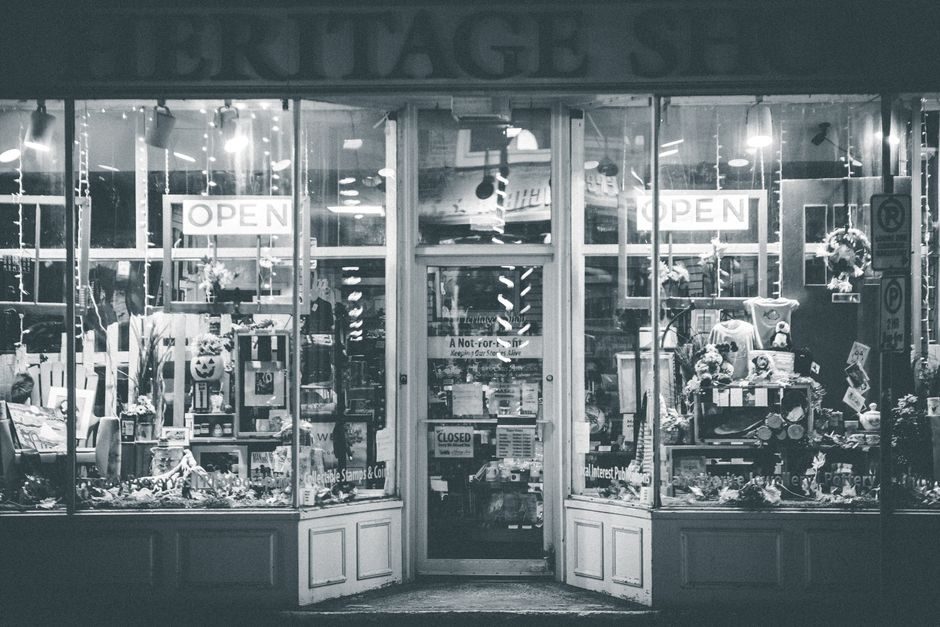
Lead with useful details
Put the opening date, location, hours and what the shop sells near the top of every announcement. Add a clear reason to visit, such as seeing a new range or meeting the team, only if it is genuinely part of the opening. Owners seeking broader distribution may find white label press release distribution useful when working through an agency.
Write for someone deciding whether to make a short detour, not for someone already familiar with the business. Include the full address, a recognisable nearby landmark and a direct way to check current details. If opening plans change, update the same channels promptly so old information does not keep circulating among residents.
Use one version of the core message across your window, social accounts and any community notice. Adjust the format to suit each channel, but keep the facts consistent. A short introduction that says who the shop serves and what people can find there is more useful than a string of broad claims about being exciting or unique.
- State the opening date and hours.
- Name the location and nearby landmark.
- Explain what the shop offers.
- Include a current contact or information route.
Prepare images and updates
Choose a small set of clear images that help residents recognise the shop when they pass it. A storefront view, an interior photograph and a representative product can show what words alone cannot. Use images you have permission to share, and check that signs, lighting and framing make the location easy to identify.
Plan a sequence of updates rather than publishing once and going quiet. Before opening, show progress or explain what the shop will offer; close to the date, repeat the essential logistics; afterwards, share changed hours, new stock or an upcoming local activity. Each update should offer fresh information instead of copying the same announcement.
Keep a simple record of where and when each update appears, along with any questions people ask. Repeated questions about access, payment or stock are signals that your message needs clarification. A prompt, accurate reply can help one interested neighbour and also give others a dependable answer when they see the exchange.
Choose channels that suit your shop
Combine street and online reach
Use channels that match how nearby customers discover places: a readable shop-window notice, a local community page or an up-to-date business profile can each serve a different moment. MediaKit.uk is one option for comparing publishing and outreach opportunities when planning how to introduce a new shop. Choose based on audience and purpose, not the size of a channel's claims.
- Choose the nearby customer group you most want to reach.
- Select one street-level and one online channel they use.
- Adapt the message while keeping key facts consistent.
- Check responses and update any unclear information.
A window sign reaches people already on the street, while a community post can answer questions before someone sets out. Make the same opening details easy to find in both places, and ensure any online map listing points to the correct entrance. For shops serving commuters, mention nearby transport links without implying that every route or service is unchanged.
Ask permission before placing leaflets in another business or using a community venue's noticeboard. Local groups often have their own rules about promotions, and a message that ignores them can be removed or irritate residents. Make any printed material useful at a glance, with a clear location, opening information and a single next step.
- Put clear opening information in the shop window.
- Update your map and business listings.
- Check community group rules before posting.
- Use leaflets only where permission is given.
| Channel | Best suited to | Useful detail |
|---|---|---|
| Shop-window notice | People passing nearby | Opening hours and offer |
| Community group | Neighbourhood residents | Location and clear updates |
| Business map listing | People checking directions | Correct pin and entrance |
| Local publication | Readers following area news | Verified local story angle |
Pick channels by customer habit
Choose channels according to how people are likely to shop with you. A destination retailer may need searchable information and clear directions, while a convenience business can benefit from visibility to people already passing its door. Do not spread effort across every platform if you cannot keep details current or respond to questions.
Consider whether your customers plan ahead, make spontaneous stops or rely on recommendations from neighbours. A service that requires an appointment should make booking instructions prominent, while a walk-in shop can focus on location and hours. The best channel is the one that reaches the right person with information they can act on.
Review the response after opening by noting enquiries, visits prompted by a specific notice and the questions people repeat. You do not need elaborate tracking to make a useful adjustment: if customers say they could not find the entrance, improve directions; if they missed a schedule, make hours more visible. Keep changes grounded in what people actually tell you.
Send a concise pitch with the location, opening information, a short description of the offer and a contact who can answer follow-up questions.
Make local news outreach useful

Offer a local story angle
Give a local editor a clear reason the opening matters to Birmingham readers beyond the fact that a shop is new. Explain what the business adds to its area, who it serves or how it connects with a local event or need. A shop weighing paid coverage can explore options to buy sponsored posts as part of a wider opening plan.
- ☐ Write a one-sentence local reason for the story.
- ☐ Verify every date, address and opening detail.
- ☐ Check permission for names, images and partnerships.
- ☐ Provide a responsive contact and useful photograph.
Send a concise pitch with the location, opening information, a short description of the offer and a contact who can answer follow-up questions. Include a relevant image if you have permission to share it, and make clear whether it shows the actual premises. A specific, verifiable angle helps an editor assess the story without chasing basic details.
Keep the pitch accurate and avoid presenting routine sales language as a community development. If the story involves a partnership, event or donation, confirm the other party's role and permission before naming them. Local coverage depends on trust, so correct information and a responsive contact matter as much as an appealing opening-day idea.
- Explain why the opening matters locally.
- Provide verified location and opening details.
- Offer an appropriate, permission-cleared image.
- Name a contact who can respond promptly.
Follow up with care
Send your announcement to outlets whose readers are likely to care about that part of Birmingham, rather than sending the same pitch indiscriminately. A neighbourhood opening may suit a local community publication, while a distinctive offer could interest a broader business or culture desk. Make the subject line specific enough to explain the location and story.
If there is no reply, a brief and polite follow-up can clarify an important detail or offer a useful image. Do not treat silence as permission to keep messaging, and do not assume publication is guaranteed. Editors work to their own schedules, so continue with your other local channels while waiting for a response.
When coverage appears, share it accurately and follow any conditions attached to its use. Thank the outlet, correct factual errors through the appropriate contact and avoid implying endorsement where none was given. Keep a record of which approaches led to useful conversations, so future updates can be targeted rather than repeated without purpose.
Avoid common launch communication mistakes
Make claims easy to verify
Check every public message against what the shop can actually deliver before publishing it. If opening-day stock, services or hours may change, describe what is confirmed and avoid promising more than staff can provide. Clear wording protects trust: a resident who arrives expecting a particular item should not find that the announcement overstated availability.
- Do not announce unconfirmed opening hours; verify them before publication.
- Do not send the same pitch to every outlet; tailor it to local relevance.
- Do not promise opening-day stock or offers unless staff can honour them.
Give each announcement one clear purpose, such as introducing the shop, explaining its offer or inviting people to an opening event. A long list of unrelated claims can bury the information nearby residents need, including what the shop sells and when it will be open. Ask someone unfamiliar with the business to read the copy and identify the main point.
For businesses with limited budgets, cheap press release distribution may be worth comparing with direct local outreach, provided the release is relevant to Birmingham readers. Avoid sending identical messages repeatedly to unrelated contacts, since this can make a genuine local opening feel like generic promotion. Keep a record of who received each announcement and follow up only when there is useful new information.
Make outreach relevant
Approach local organisations with a specific reason the opening may interest their audience. A shop near a community venue might explain how its offer serves event-goers, while a business with a useful service could share practical details with nearby groups. Relevance gives recipients something concrete to assess instead of asking them to promote a shop simply because it is new.
Prepare a concise introduction that covers the shop’s name, location, opening date if confirmed, offer and a contact route. Add a clear photograph or a short explanation of what makes the business useful to local people. If an editor or group administrator declines, accept the decision and avoid repeated messages that could damage future relationships.
Choose follow-up timing carefully and make each contact useful. A brief update about confirmed hours or a change to an event is more helpful than asking whether someone has seen an earlier message. Keep outreach records so different staff members do not contact the same person with conflicting details, and note which local channels respond constructively.
Give customers practical reasons to visit
Offer a useful first visit
Give nearby residents a reason to visit that fits the shop’s actual offer, rather than relying on a vague promise of excitement. A bookshop might host a short reading, while a food retailer could offer samples where permissions and food-safety arrangements allow. The activity should help people understand the business and feel comfortable returning after opening day.
Make the invitation specific about what visitors can do, when they can come and whether they need to book. If an activity has limited capacity or depends on weather, explain that clearly before people set out. Practical details reduce uncertainty for families, people travelling by bus and anyone fitting a visit around work or other local commitments.
Owners considering editorial placements can assess guest posting services uk against their audience and budget, while keeping the opening invitation focused on what local visitors can experience. Any outside promotion should use accurate shop details and a relevant local angle. It should support, not replace, direct information shared through the channels nearby customers already use.
Make the visit welcoming
Plan the customer experience from the pavement inward, because a first-time visitor may be unsure whether the shop is open or where to begin. A visible welcome, clear entrance information and staff ready to answer basic questions can make the difference between a quick glance and a proper visit. Check that displays do not obstruct access or make the entrance difficult to use.
Think about practical needs that can be easy to overlook during launch preparations. Tell visitors in advance if there are steps, booking requirements or restrictions that affect access, and explain any available alternatives accurately. If the shop is in a busy part of Birmingham, consider how people can find it from nearby streets or public transport stops without inventing directions.
Use the opening to learn what visitors actually need, rather than treating attendance as the only measure of success. Staff can note recurring questions about products, opening times or services, then use those observations to improve signs and future messages. A friendly invitation to return, tied to a genuine reason such as a new service or regular event, gives the first visit a useful next step.
Keep your opening details consistent
Choose one reliable source
Settle the shop’s core details before sending them across listings, social accounts, printed materials and community notices. Use one approved record for the business name, address, opening hours, contact details and opening date, then copy from it rather than retyping from memory. This simple habit reduces mismatches that can send customers to the wrong place or at the wrong time.
Decide who can approve changes and how quickly each channel can be updated. If opening hours shift, tell the person responsible for every public listing and remove outdated printed notices where practical. Businesses seeking professional support can use an seo agency directory to find agencies and review their services, but the shop should still verify its own facts.
Treat uncertain information differently from confirmed details. If a launch date is not final, say that it will be announced when confirmed instead of publishing a provisional date that may circulate long after it changes. Keep a dated copy of the approved details so staff can identify which version is current when customers ask or older promotional material resurfaces.
Check every public listing
Review the details wherever a customer might encounter them, including map listings, social profiles, shop-window notices and event pages. Search the business name and location as a resident would, then compare each result with the approved record. Correct small inconsistencies such as a missing unit name or an outdated opening time before they cause avoidable confusion.
Give staff a short, consistent answer for common questions about the opening. They should know whether the shop is open, what is available and where to direct people for updates, without guessing about unconfirmed plans. If a detail changes during the day, tell the team promptly and update public channels before different versions spread.
Check information again after launch, particularly if temporary notices or event listings were used. Remove or revise messages that describe the opening as upcoming, and replace them with current information about regular trading. Ask a colleague to verify the changes from a customer’s perspective, since a detail that seems obvious internally may still be hard to find outside the shop.
Build local awareness beyond opening week

Create a steady local presence
Give residents a reason to hear from the shop after the first announcement by sharing updates that are useful in their own right. Depending on the business, that might mean new stock, a service change, a seasonal product or participation in a nearby community event. A steady, relevant presence helps people remember what the shop offers without asking them to respond to every post.
- Share useful updates after opening week, not only launch reminders.
- Use local references only when they genuinely help customers.
- Keep public details current and answer questions clearly.
Connect with local routines and places that customers already know, while keeping each message specific to the business. A shop in Digbeth might refer to nearby cultural activity if it genuinely affects its visitors, while a business in Sutton Coldfield could focus on the needs of its surrounding neighbourhood. Avoid implying a partnership or endorsement unless it has been agreed.
Keep messages manageable for a small team by choosing a realistic rhythm and preparing a few useful updates in advance. Respond to genuine questions, correct mistaken details promptly and avoid posting simply to fill a calendar. If a subject is no longer current, replace it with information customers can act on, such as a confirmed service detail or a clear explanation of what is available.
Turn first visits into returns
Make it easy for a satisfied first-time customer to remember the shop and choose to return. Staff can explain regular services, invite visitors to follow an appropriate update channel or point out when particular products are usually available. Keep the invitation low-pressure and make sure any promised follow-up is something the business can maintain.
Listen for patterns in customer questions and comments, then make practical changes where possible. If people repeatedly ask about access, product availability or payment options, consider whether clearer signs or updated information would help future visitors. A small operational improvement can serve more residents than another broad announcement, particularly when it addresses a barrier to making the first visit.
Review what brought people through the door and which messages led to useful enquiries, rather than judging activity only by reactions online. Ask staff which questions came up and whether visitors mentioned a particular notice or event. Use those observations to decide what to repeat, adjust or stop, then plan the next local update around a genuine customer need.
Frequently asked questions
How far ahead should a Birmingham shop announce its opening?Share an opening date once it is confirmed and there is enough time for nearby customers to make plans. If the date remains uncertain, introduce the business without presenting a provisional date as final, then issue a clear update when plans are settled. Keep the announcement useful by including the shop’s offer, location and expected hours, and check that those details remain accurate as the date approaches.
What should a new shop include in its opening announcement?Include the business name, its Birmingham location, what it sells or provides, confirmed opening hours and a reliable way to check for updates. Add a specific reason the news may matter to local residents, such as a useful service or a public opening activity. Keep the wording direct, and do not promise stock, offers or facilities that have not been confirmed.
How can a small shop promote an opening without a large budget?Start with channels that already reach the people most likely to visit: a clear shop-window notice, accurate online listings, personal invitations and relevant local community channels. Ask nearby organisations whether a genuinely useful update suits their audience, rather than assuming they will share promotional material. A modest, well-targeted message with correct practical details can be more helpful than broad promotion that reaches people unlikely to visit.
What should a shop do if its opening date changes?Update every public channel where the original date appeared, including event listings, social profiles, map details and printed notices where they can be changed. Contact any local groups or outlets that received the earlier information, and give staff a consistent explanation to share with visitors. State the revised date only when it is confirmed; if it is not, explain that an update will follow.
Make the opening the start of local relationships
A successful shop opening depends on more than one announcement. Birmingham residents need accurate details, a clear reason to visit and a straightforward way to find out what the business offers after launch week. Check each message against what the shop can deliver, choose local channels with care and treat customer questions as practical feedback for improving the experience.
Before publishing your next update, confirm the opening information with the people responsible for the shop, then check how it appears to a first-time visitor. Make one useful invitation, share it where nearby customers are likely to see it and plan what you will tell them next. That gives the opening a clear purpose while building awareness the business can sustain.
Add Birmingham News as a preferred source on Google


