How to Find and Join Community Events in Birmingham
Find community events in Birmingham through local venues, libraries and neighbourhood groups, then check the details and choose activities that suit you.

To find local events in Birmingham, check community venues, libraries and neighbourhood groups, then compare their listings with organisers’ own updates. Search for activities by area and interest, and confirm the date, location, access arrangements and any booking requirements before setting off. This helps you find a suitable event and avoid relying on an old or incomplete listing.
Community events range from informal park meet-ups and library activities to organised workshops, cultural celebrations and residents’ meetings. Listings can appear on noticeboards, social channels and venue websites, so checking more than one source gives you a clearer picture of what is happening nearby.
If you organise an activity, make it easier to find by sharing clear details in the places local residents already use. State who can attend, how to take part and how people can check for changes, then ask a venue or neighbourhood group to share the listing.
- Check Birmingham libraries, community venues and neighbourhood groups for nearby activities.
- Compare the event’s audience, access information, timing and travel requirements with your needs.
- Confirm the latest details with the organiser before setting off.
- Organisers should share clear, consistent listings through channels local residents already use.
What counts as a community event?
Activities close to home
A community event brings people together around a shared place, interest or local need. In Birmingham, that could mean a residents’ meeting, a library activity, a community garden session or a cultural celebration organised for neighbours. Some events are informal and drop-in; others have a programme, a named organiser and a set start time.
The label matters less than the practical details: who is organising it, who is welcome and what participants will do. A local clean-up, for example, is different from a public meeting, even if both are open to residents. Read the description rather than assuming every listing means entertainment or that every event requires formal registration.
Community activities can be run by residents, charities, faith groups, schools or local venues. They may be free, ticketed, open to all or intended for a particular group. If a listing is unclear about eligibility, contact the organiser before attending; this is especially helpful for sessions aimed at families, older residents or people with a specific interest.
Open, booked and informal
Check whether an event is a drop-in, a booked session or a gathering with limited places. A notice saying “all welcome” may still mean that participants should arrive during a set period, while a workshop may need advance registration. The organiser’s wording is the best guide, especially when the listing gives only a brief description.
Some activities are designed for particular ages, abilities or community groups, and that does not always mean others are unwelcome. Look for an explanation of who the event is for, whether children need an accompanying adult and whether participants can come and go. If those points are missing, ask rather than relying on assumptions.
A public event can also have practical limits, such as indoor capacity, a change of venue or a requirement to bring materials. These conditions help organisers manage the activity and do not necessarily make it less community-focused. Confirm the arrangements if they affect whether you can attend, especially when travelling with children or someone who needs assistance.
- Drop-in activity: check the available arrival window.
- Booked session: confirm registration and any joining instructions.
- Group-specific event: check who can attend.
- Outdoor gathering: look for weather or venue updates.
Where to look for events in Birmingham

Libraries and neighbourhood venues
Start with libraries and community venues in the Birmingham area where you live, because their noticeboards and activity listings often reflect nearby events. Check the venue’s own website or social channels as well as any printed notices. A listing can be useful for discovery, but the organiser remains the best source for last-minute changes.
- Relying on one listing; check the venue and organiser’s latest updates.
- Assuming an old poster is current; confirm the date before travelling.
- Searching only for city-wide events; include your neighbourhood and activity.
Local halls, arts spaces, places of worship and community centres may host activities that are not widely advertised elsewhere. Look for a programme at the venue or ask staff whether there is a mailing list or noticeboard. If you see an event mentioned on a poster, note the organiser’s contact details and check that the information is current.
Use your neighbourhood as a starting point, then widen the search if you are willing to travel. Birmingham’s districts have different local networks, so a group or venue serving one area may not routinely share events elsewhere. Search with the place name and activity together, such as a library, workshop or residents’ event, to find more relevant results.
- Check nearby library listings and noticeboards.
- Look at community-centre and venue updates.
- Search by Birmingham neighbourhood and activity.
- Confirm the listing with the event organiser.
Council and transport updates
Council and public-service pages can help you identify activities connected with local facilities or public spaces. Treat them as one source among several: a council page may explain a venue or service, while a community group may have the latest details about a particular gathering. Follow the information through to the named organiser whenever possible.
Transport information is part of finding an event, not just getting there. Check the journey close to your departure, especially if an activity is outside your immediate neighbourhood or involves an evening return. If a listing names a venue but not a precise entrance, ask the organiser which approach is easiest to use.
For an event in a park or another outdoor space, check whether the organiser has posted a weather update or a change of meeting point. Do not assume a scheduled activity will go ahead unchanged in poor conditions. A quick check before leaving can prevent a wasted journey and gives you time to contact the organiser if details are unclear.
How to check whether an event suits you
Match the event to your needs
Compare the event’s purpose, audience and format with what you want from the day. A lively open gathering may suit someone looking to meet neighbours, while a small workshop can be better for learning a skill. Check the description for age guidance, language, duration and whether you are expected to participate or can simply observe.
Access details can affect whether an event is workable, so look for information about step-free entry, seating, toilets and quiet space. If the listing does not cover what you need, contact the organiser with a specific question. Asking in advance is more reliable than inferring access from a photograph or assuming that a familiar venue has the facilities you require.
Think about the journey and timing alongside the activity itself. An event that sounds appealing may not fit if the start time clashes with other commitments or the return trip is difficult. Check the venue location and transport options before committing, and leave room for delays if you need to make connections or meet someone on arrival.
| Choice | Best for | Check first |
|---|---|---|
| Drop-in activity | Flexible attendance | Arrival window |
| Booked workshop | Planned participation | Registration details |
| Outdoor gathering | Fresh-air activities | Weather updates |
| Group-specific session | A defined audience | Eligibility guidance |
Read the practical details
Before setting out, confirm the date, start time, exact venue and whether you need to book. Listings can be copied or shared after their details change, so check the organiser’s latest post or contact them directly. For a free event, still check whether booking is needed; attendance rules are not always clear from the word “free”.
Use the event description to check what to bring, whether refreshments are provided and how long the activity is expected to last. If there is a ticket or registration process, make sure you understand how to show confirmation on arrival. These small checks are particularly useful for family activities, outdoor sessions and events held in unfamiliar buildings.
The best source depends on the question: the organiser can confirm event arrangements, a venue can explain its facilities, and a transport operator can provide journey updates. If details conflict across listings, do not guess which one is correct. Ask the organiser to confirm the current plan, and keep their response available in case you need to check it on the day.
- Confirm the date, time and exact location.
- Check booking, ticket or arrival requirements.
- Ask about access, duration and what to bring.
- Recheck for changes before leaving.
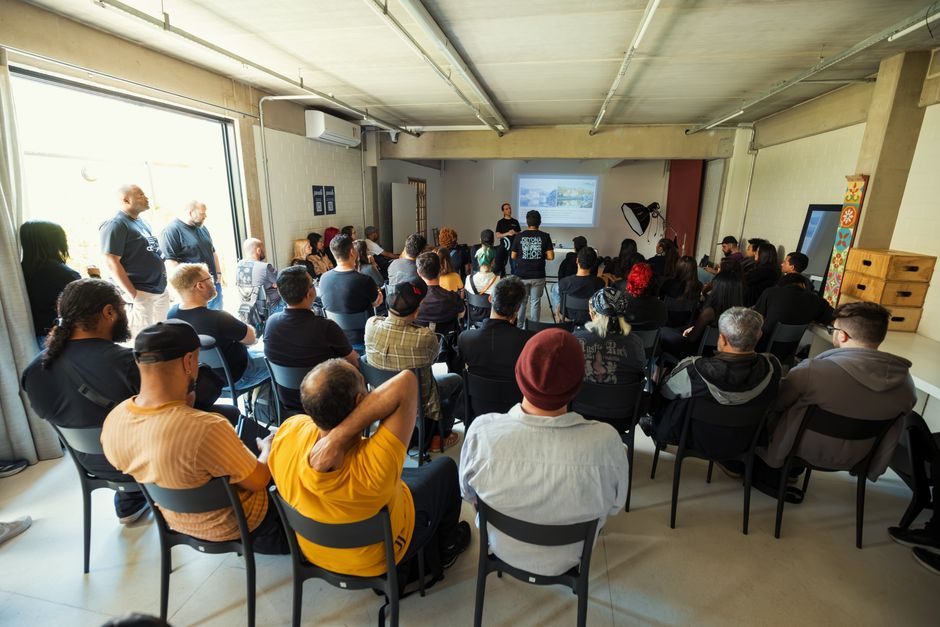
Neighbourhood groups can surface small events that never appear in a city-wide calendar.
Ways to find events through local groups
Follow neighbourhood channels
Neighbourhood groups can surface small events that never appear in a city-wide calendar. Look for local residents’ networks, community organisations and groups linked to a venue or shared interest. Check who runs the channel and whether posts are recent, then follow a listing to the organiser’s own announcement before making plans.
- Choose a neighbourhood or interest to search.
- Find a relevant local group or venue channel.
- Check the post date and identify the organiser.
- Confirm the event details before setting off.
Search using your Birmingham area and the activity you are interested in, rather than relying on a broad search for events alone. A residents’ group may share a local fair, while a group centred on a hobby may post a workshop across the city. If a post lacks a venue or contact, ask for those details before travelling.
Social feeds move quickly, and a popular post can continue circulating after arrangements change. Look for a recent update, a clear organiser and a direct way to check details. If you do not use social media, ask a local library or community venue whether it displays notices or can point you towards a suitable neighbourhood network.
Help organisers reach residents
If you are organising an event, write a listing that answers the questions a resident needs to decide whether to attend. Include the activity, intended audience, date, start and finish times, venue and booking instructions. State whether people can drop in, and give a contact route for questions about access or changes.
Share the same core information through relevant local channels, such as a community venue, library noticeboard or neighbourhood group. Ask administrators before posting where group rules require permission, and avoid sending residents to an outdated page. If details change, update the original listing and repeat the change where the event was promoted.
Make the location easy to understand without assuming everyone knows the area or venue. Give a recognisable venue name, explain which entrance to use if that matters, and mention practical access information. A clear update on the day can help people decide whether to travel, while a post-event note can direct residents to future activities.
How organisers can spread the word
Write a clear event notice
Put the essential details at the start of every event notice: what is happening, when, where, who can attend and whether people need to book. A neighbourhood craft session, for example, should say whether materials are provided and whether beginners are welcome. Readers should not have to search through several posts to find the practical basics.
Use the event’s full name and a plain-language description, rather than an insider title that only regulars understand. Include the venue’s name and the neighbourhood, plus a nearby recognisable landmark or public transport stop when useful. Check that the date, start time and end time agree across posters, listings and social posts before sharing them.
A short description should explain who the activity is for and what someone can expect to do. Mention access information, age guidance, booking requirements and any cost clearly, rather than leaving readers to guess. If plans change, update the original listing as well as posting an update, so someone who finds an older notice can still see the latest details.
Choose channels people use
Match each announcement to the people most likely to attend. A library activity may reach families through a noticeboard and local parent groups, while a residents’ meeting could be better suited to a neighbourhood association’s mailing list. Ask a venue or community group whether it can share the notice through channels its members already check.
For Birmingham events, consider both the immediate neighbourhood and wider city audiences. A community centre in Erdington, for instance, might share its programme with nearby groups and ask a city-wide events listing to include activities open to all. Post early enough for people to plan, then issue a brief reminder close to the event.
Online posts can bring attention, but they should not be the only way people hear about an event. Printed notices at libraries, community venues and local shops can reach residents who do not follow the organiser online. Make sure every channel points to a reliable source for final details, such as the venue’s current listing or the organiser’s own page.
Reaching people beyond the neighbourhood

Describe the wider appeal
If an event could attract people from elsewhere in Birmingham or beyond, explain why it is worth the journey and who will feel welcome. A public performance, specialist workshop or cultural celebration may interest visitors who would not otherwise know the neighbourhood. Organisers planning that wider reach may explore Leicester Seo Services as an example of location-focused promotion for audiences in Leicester and Leicestershire. For organisers hoping to reach visitors from Leicester and Leicestershire, Leicester Seo Services offers an example of promotion focused on a particular place.
State whether visitors can attend without being part of a local group, and explain any booking or entry arrangements. A friendly phrase such as “open to all” is useful only if there are no membership conditions that contradict it. If the activity has limited capacity, tell people how to reserve a place and where to check whether spaces remain.
Help visitors plan the trip with accurate directions and practical travel information. Name the venue clearly, identify the neighbourhood and point readers towards current transport information rather than assuming they know the area. If parking or step-free access is relevant, confirm the details with the venue before publishing them and explain whom attendees should contact with questions.
Build useful local partnerships
Ask nearby organisations to share an event when it genuinely fits their audiences. A Birmingham library, school, faith group or community venue may be able to pass on details through its regular communications, but give staff a concise, accurate notice they can use without rewriting. A clear image and a short description can make sharing easier.
Partnerships can also help visitors feel more confident about attending somewhere unfamiliar. A community group might explain the event’s format, while the host venue can answer questions about access and facilities. Agree who will handle enquiries and keep a shared record of any changes, so different partners do not circulate conflicting information.
When an event crosses neighbourhood boundaries, make sure promotion does not crowd out the people it was created for. Keep local residents informed through the channels they already use, and explain any booking priority or capacity limits openly. If the activity is free or open access, say so clearly; if conditions apply, describe them before people travel.
- Share a ready-to-post notice with partner groups.
- Agree who answers attendee questions.
- Check that every partner uses the latest details.
- Explain booking limits before promoting widely.
Make event details easy to discover
Keep listings accurate and complete
Make the event name, date, start time, venue and booking information easy to spot wherever the activity is listed. Use the same spelling for the venue and event across the organiser’s page, community calendars and social posts. Venues and local businesses can use Local Seo Services to help keep location details and online profiles consistent when people search for nearby activities.
- ☐ Include the full venue name and neighbourhood.
- ☐ Check date, times and booking instructions.
- ☐ Write essential details as readable text.
- ☐ Update the original listing if plans change.
Give each listing a useful description rather than relying on a poster image alone. Text should identify the activity, the intended audience, any costs or booking steps, and how to ask about access. When practical details appear only inside an image, people may struggle to read them on a phone or use assistive technology.
Check that the listing can still be found and understood after it is shared. Open it on a phone, follow its booking instructions and confirm that the venue name leads to the right place. If the event is cancelled or moved, change the original listing promptly and make the update visible wherever the previous details were posted.
Make information accessible
Describe access arrangements in concrete terms instead of using a broad label such as “accessible.” Where confirmed, explain step-free entry, accessible toilets, seating, quiet spaces or available assistance. If the organiser does not know an answer, say how attendees can ask the venue rather than making a promise that may prove inaccurate.
Use straightforward language and organise details so readers can scan them quickly. A clear heading for travel, booking or access information helps people find what they need without reading a long block of promotional copy. If the event has age guidance, language support or specific participation requirements, state those details early and explain any exceptions.
Offer a contact route that someone can use before deciding to attend. That might be a monitored email address, a venue enquiry page or another channel the organiser checks regularly. Explain when a response is likely, and make sure the person handling messages can answer practical questions or direct them to someone who can.
Common event-search pitfalls to avoid

Check dates and changes
Do not rely on an old shared post as proof that an event is still going ahead. Community listings can remain online after a date has passed, or plans may change without every repost being corrected. Before setting off, check the organiser’s latest notice or contact the venue to confirm the time, location and any booking requirement.
- Confirm the event is still on before travelling.
- Resolve conflicting details with the organiser.
- Check transport and venue access separately.
Look closely at the year, day and start time when an event appears in a search result or calendar. Recurring activities can be listed under a previous date, while a shortened social post may omit useful context. If two sources disagree, contact the organiser directly and wait for confirmation rather than choosing whichever version looks more convenient.
Allow time for travel planning, especially if the venue is unfamiliar or the event has a fixed start. Check current public transport information separately, since routes and services can change. Keep the event’s address or venue details available on your phone, and ask the organiser about entrance arrangements if the building has more than one access point.
Look beyond a single source
A quick search may miss events advertised only through a library, community venue or neighbourhood group. Check more than one source, especially when looking for a particular kind of activity or something happening close to home. Local noticeboards and group newsletters can reveal small gatherings that do not appear on larger city-wide calendars.
Be cautious when a listing gives too little information to judge whether it is genuine or suitable. Check whether the organiser or venue can be identified and whether there is a clear way to ask questions. Avoid sharing personal details or paying through an unfamiliar channel until you have verified the arrangements directly with the responsible organisation.
Do not assume that an event is open to everyone just because a brief post is public. Some activities require booking, have age restrictions or are intended for members of a particular group. Read the full description, check any conditions with the organiser, and ask before travelling if you are unsure whether you can attend.
Frequently asked questions
How far ahead should I look for Birmingham community events?For activities that need booking or careful travel planning, start checking early and revisit the organiser’s listing as the date approaches. Smaller drop-in events may be announced closer to the day, so checking local venue pages and neighbourhood updates regularly can help. Whatever the lead time, confirm the latest details before setting out, particularly if the event has limited capacity or has previously changed.
What should I do if event listings give different details?Treat the organiser or host venue as the source to confirm the date, time, location and booking arrangements. Contact them through a channel shown on their official page, and do not rely on an old repost if it conflicts with a current notice. If you cannot get a clear answer, it is safer to delay travel than to assume the event is happening as originally advertised.
Can I attend an event if I do not live in that neighbourhood?Many public community activities welcome people from outside their immediate area, but some are designed for members, residents or a particular age group. Read the event description and check with the organiser if eligibility is unclear. Ask whether booking is required and whether places are available to visitors, so you can make a confident plan before travelling across Birmingham.
How can I find out whether a venue meets my access needs?Look for specific access information in the event listing, but contact the venue or organiser if important details are missing. Ask about the arrangements you need, such as step-free entry, accessible toilets, seating or assistance, rather than relying on a general label. Confirm that the information applies to the event space itself, since access can differ between rooms in the same building.
Turn a search into a good day out
Finding a suitable community event is easier when you check several local sources, read the practical details and confirm anything that could affect your visit. Birmingham’s libraries, neighbourhood groups and community venues can help surface activities across the city, while clear organiser notices make it simpler to judge whether an event fits your interests, access needs and travel plans.
Choose one source close to home and check its upcoming listings, then follow up with the organiser before travelling if any detail is unclear. If you help run an activity, prepare one accurate notice and share it through channels your intended audience already uses. Small steps like these make local events easier to discover and easier for residents to join.
Add Birmingham News as a preferred source on Google


