The Evolution of Birmingham’s Cultural Landscape
Birmingham, the second-largest city in the United Kingdom, has undergone a remarkable transformation over the past few decades. Once known primarily for its industrial heritage, Birmingham has emerged as a vibrant cultural hub, attracting artists, innovators, and visitors from around the globe. This evolution has been driven by a combination of public and private investments, community initiatives, and a growing appreciation for the arts and cultural experiences.
The Role of Major Cultural Institutions
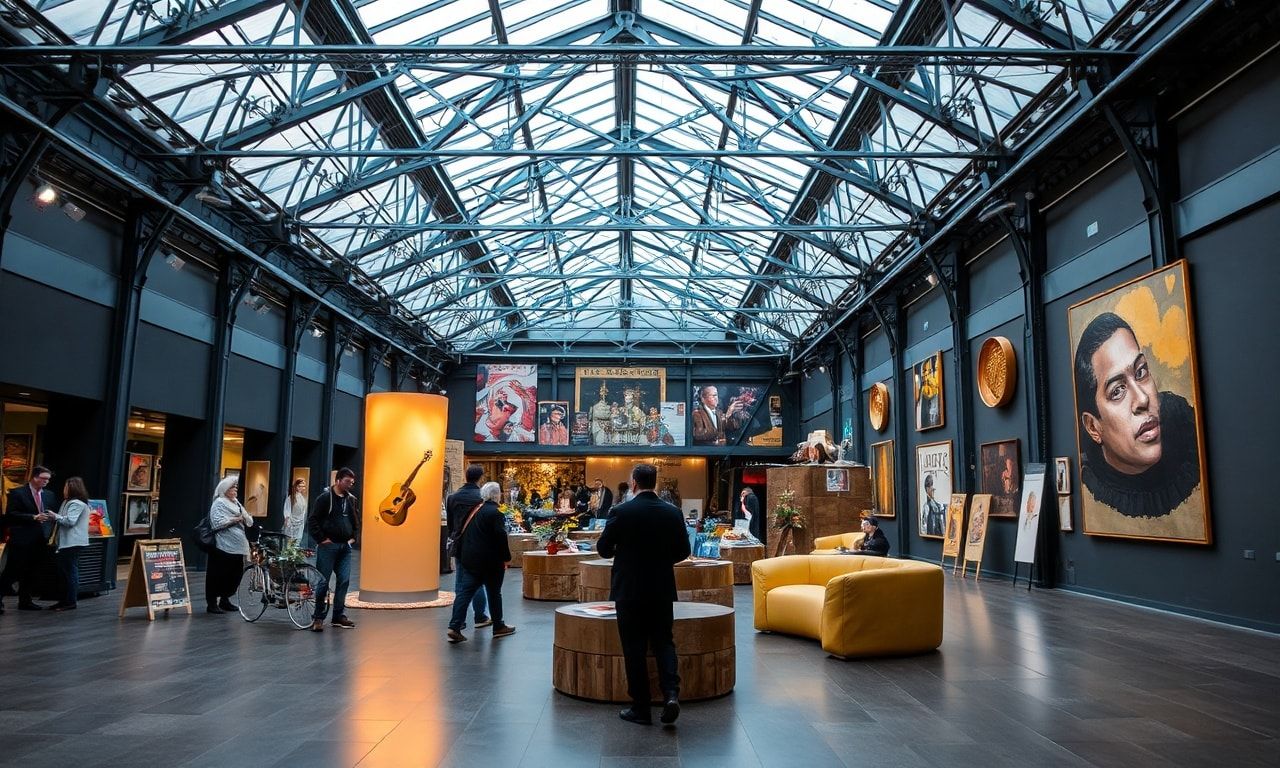
Birmingham’s cultural renaissance can be attributed in large part to its major cultural institutions. The Birmingham Museum & Art Gallery, for instance, houses an impressive collection of art and historical artifacts, showcasing the city’s rich heritage. The Symphony Hall, renowned for its acoustics, hosts world-class performances, while the Birmingham Hippodrome offers a diverse range of theatrical productions. These institutions not only provide entertainment but also serve as educational resources, fostering a deeper understanding of art and culture among residents and visitors alike.
The Impact of Public Art and Festivals
Public art installations have become a defining feature of Birmingham’s urban landscape. From the iconic Bull Ring Bull to the contemporary sculptures scattered throughout the city, these installations add a dynamic element to the city’s aesthetic. Festivals such as the Birmingham International Dance Festival and the Birmingham Literature Festival further enrich the cultural tapestry, attracting participants and spectators from diverse backgrounds. These events not only celebrate creativity but also promote community engagement and social cohesion.
Innovation and Technology in the Arts
The intersection of technology and the arts has opened new avenues for creative expression in Birmingham. Digital art exhibitions, virtual reality experiences, and interactive installations are becoming increasingly popular. The city’s tech-savvy population and its status as a hub for innovation have created a fertile ground for these advancements. For example, the Custard Factory, a former industrial site, has been transformed into a creative hub where artists and technologists collaborate on cutting-edge projects.
Preserving Cultural Heritage
While embracing innovation, Birmingham has also made significant efforts to preserve its cultural heritage. The Jewellery Quarter, a historic area known for its jewelry-making tradition, is a testament to the city’s commitment to preserving its past. Visitors can explore the workshops of master craftsmen and learn about the intricate processes involved in jewelry making. For those interested in maintaining the longevity of their precious pieces, resources like jewelry care tips for dry climates can be invaluable, ensuring that these cultural artifacts remain in pristine condition.
The Future of Birmingham’s Cultural Scene
Looking ahead, Birmingham’s cultural scene is poised for continued growth and innovation. The city’s leadership has recognized the importance of investing in the arts as a means of economic development and social progress. Plans for new cultural centers, expanded public art initiatives, and enhanced educational programs are already in the works. Additionally, the city’s commitment to sustainability and inclusivity will ensure that its cultural offerings are accessible to all, fostering a more equitable and vibrant community.
Community Engagement and Education
Community engagement and education are at the heart of Birmingham’s cultural strategy. Local schools and universities collaborate with cultural institutions to provide students with hands-on learning experiences. Workshops, internships, and mentorship programs offer aspiring artists and cultural professionals the opportunity to develop their skills and gain valuable insights. This focus on education not only nurtures the next generation of artists but also ensures that the city’s cultural heritage is passed down to future generations.
In conclusion, Birmingham’s cultural scene is a testament to the city’s resilience and creativity. Through a combination of preserving its heritage and embracing innovation, Birmingham has established itself as a leading cultural destination. As the city continues to evolve, its commitment to the arts and community engagement will undoubtedly pave the way for a brighter, more vibrant future.