
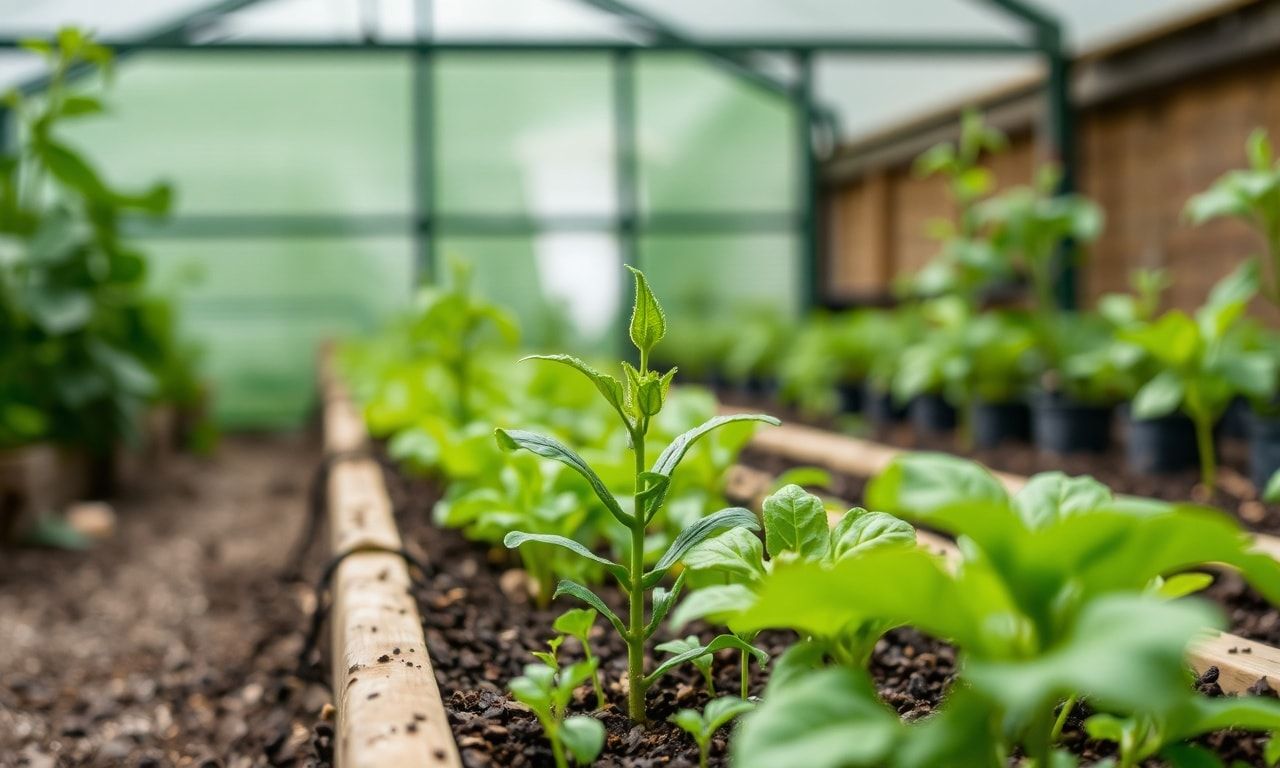
The Rise of Urban Farming in Birmingham
Birmingham, the second-largest city in the United Kingdom, is witnessing a green revolution as urban farming takes root in its heart. With a growing emphasis on sustainability and local food production, the city is transforming its urban landscape to include more green spaces dedicated to agriculture. This movement is not only providing fresh produce to local communities but also creating jobs and promoting environmental awareness.
The Benefits of Urban Farming
Urban farming offers numerous benefits to the city and its residents. Firstly, it reduces the carbon footprint associated with transporting food from rural areas to urban centers. By growing food locally, Birmingham can decrease its reliance on imported produce, which often involves long-distance transportation and contributes to air pollution. Additionally, urban farms provide green spaces that improve air quality and offer recreational areas for residents.
Moreover, urban farming initiatives often focus on organic and sustainable practices, which can lead to healthier food options for consumers. These farms can also serve as educational hubs, teaching residents about agriculture, nutrition, and environmental stewardship. For instance, community gardens and urban farms in Birmingham have become popular spots for workshops and educational programs.
Challenges and Solutions
Despite the numerous benefits, urban farming in Birmingham faces several challenges. Limited space, soil contamination, and access to water are some of the primary obstacles. However, innovative solutions are being implemented to overcome these hurdles. Vertical farming, for example, allows farmers to grow crops in stacked layers, maximizing the use of limited space. Hydroponic and aquaponic systems are also gaining popularity as they require less water and can be set up in urban environments.
Another challenge is the initial cost of setting up urban farms. However, community support and government grants are helping to fund these projects. The Birmingham City Council has shown interest in supporting urban farming initiatives, recognizing their potential to enhance the city’s sustainability and resilience. Additionally, partnerships with local businesses and non-profit organizations have provided resources and expertise to help these projects thrive.
The Role of Technology in Urban Farming
Technology plays a crucial role in the success of urban farming initiatives. Advanced tools and techniques, such as precision agriculture and data analytics, help farmers optimize their operations. For example, sensors can monitor soil moisture and nutrient levels, ensuring that crops receive the right amount of care. Drones and satellite imagery can also be used to assess crop health and identify areas that need attention.
Furthermore, technology can help farmers connect with consumers. Online platforms and mobile apps allow urban farmers to sell their produce directly to consumers, bypassing traditional supply chains. This direct-to-consumer model not only benefits farmers by increasing their profits but also provides consumers with access to fresh, locally grown produce. For instance, platforms like tarım ürünleri satış fiyatları güncel offer up-to-date information on agricultural product prices, helping both farmers and consumers make informed decisions.
Community Engagement and Education
Community engagement is a cornerstone of successful urban farming initiatives. By involving residents in the planning and implementation of these projects, urban farms can foster a sense of ownership and pride. Community gardens, for example, provide a space for neighbors to come together, share knowledge, and work towards a common goal. These gardens can also serve as a source of fresh produce for low-income families, addressing food insecurity in the city.
Education is another key aspect of urban farming. Schools and universities in Birmingham are increasingly incorporating agriculture into their curricula, teaching students about sustainable farming practices and the importance of local food systems. Educational programs and workshops are also being offered to adults, providing them with the skills and knowledge needed to start their own urban farms.
The Future of Urban Farming in Birmingham
The future of urban farming in Birmingham looks promising. With continued support from the community, government, and private sector, the city can further expand its green spaces and enhance its food security. Innovative technologies and sustainable practices will play a crucial role in this growth, ensuring that urban farming remains a viable and beneficial part of Birmingham’s landscape.
As the city continues to evolve, urban farming will likely become an integral part of its identity. By embracing this green revolution, Birmingham can set an example for other cities, demonstrating the power of local food systems to promote sustainability, health, and community well-being.
In the realm of sustainable practices, Taiwan is making waves with its unique strategies; discover more about Taiwan’s agricultural innovations in our latest feature.
To gain a comprehensive understanding of Turkey’s agricultural sector, consider reviewing Turkey’s latest agricultural developments, which covers recent advancements and export data.
As global food systems continue to evolve, our latest report, agricultural market trends analysis, offers an in-depth look at the key shifts shaping the industry.