
The Importance of Urban Green Spaces
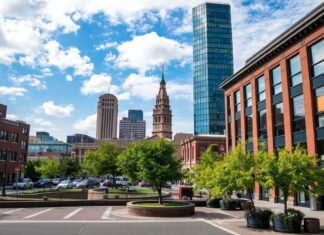
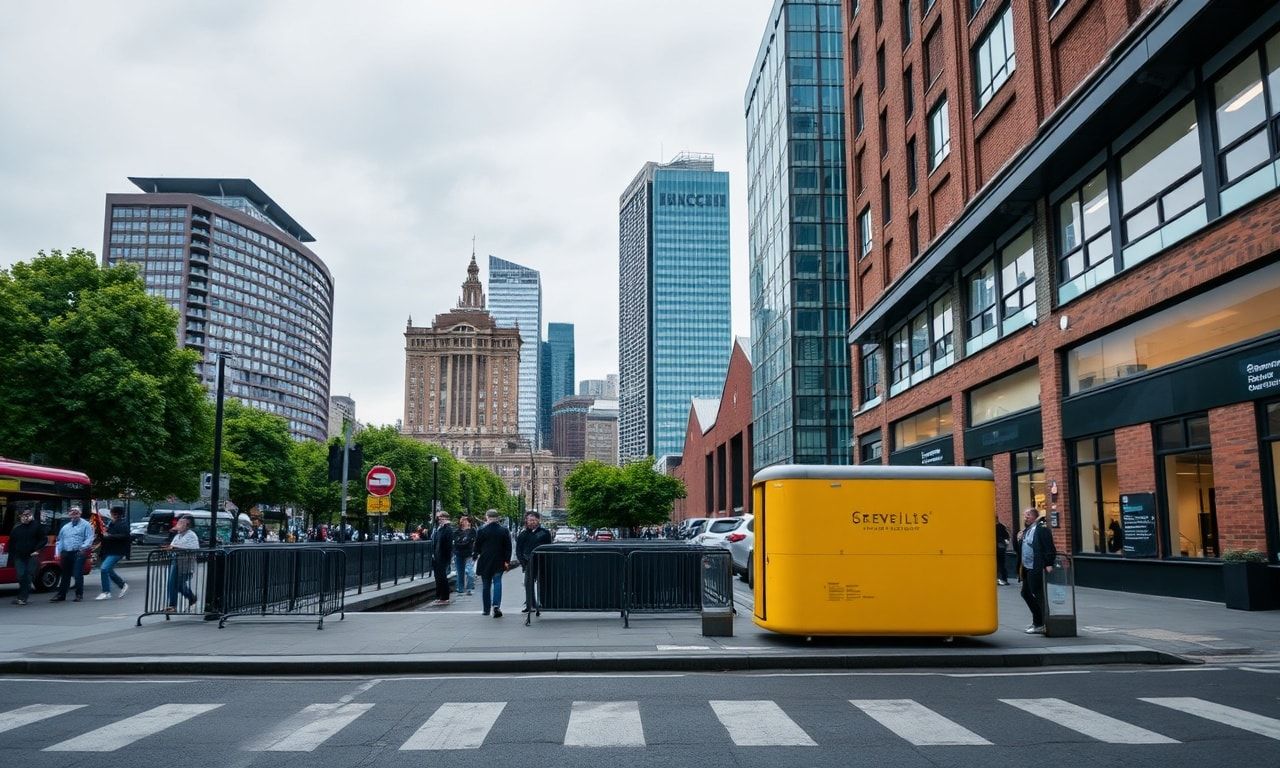
In the heart of the UK, Birmingham stands as a testament to urban development and cultural diversity. Amidst the bustling city life, the importance of green spaces cannot be overstated. These areas serve as vital lungs for the city, offering residents and visitors alike a respite from the concrete jungle. They provide a place for relaxation, recreation, and community engagement, contributing significantly to the overall well-being of the city’s inhabitants.
Green spaces in urban areas like Birmingham are not just about aesthetics; they play a crucial role in environmental sustainability. They help mitigate the urban heat island effect, improve air quality, and support biodiversity. Moreover, they offer a sanctuary for mental health, providing a natural setting where people can escape the stresses of daily life.
The Evolution of Birmingham’s Parks
Birmingham’s journey towards becoming a green city is a story of evolution and adaptation. From the industrial revolution to the present day, the city has transformed its landscape to include more parks and recreational areas. The creation of these spaces has been driven by a combination of civic pride, community demand, and environmental awareness.
One of the most notable examples is the creation of Sutton Park, one of the largest urban parks in Europe. This expansive green space offers a variety of activities, from walking and cycling to horse riding and nature trails. It is a testament to Birmingham’s commitment to preserving natural habitats within the urban environment.
Community Engagement and Activities
Birmingham’s parks are not just about passive enjoyment; they are hubs of community engagement and activity. The city’s parks host a wide range of events, from cultural festivals to sports tournaments, bringing people together and fostering a sense of community. These activities cater to diverse interests and age groups, ensuring that there is something for everyone.
For instance, Cannon Hill Park is a popular venue for outdoor concerts and festivals, attracting thousands of visitors each year. The park also features a range of facilities, including a boating lake, a mini golf course, and a nature center. This diversity of activities makes it a favorite destination for families and individuals alike.
Similarly, the München Parks Freizeitaktivitäten offer a variety of recreational activities that cater to different interests, showcasing the global trend of integrating leisure and nature within urban settings.
Environmental Benefits and Sustainability
The environmental benefits of Birmingham’s green spaces are manifold. They act as carbon sinks, absorbing carbon dioxide and other harmful gases, thereby reducing the city’s carbon footprint. Additionally, they help manage stormwater runoff, reducing the risk of flooding and improving water quality.
Birmingham’s parks also support biodiversity by providing habitats for a wide range of plant and animal species. The city’s commitment to sustainable urban planning ensures that these green spaces are not only preserved but also enhanced. Initiatives such as tree planting, wildlife conservation, and sustainable landscaping are integral to this effort.
The Future of Birmingham’s Green Spaces
Looking ahead, Birmingham’s green spaces are set to play an even more significant role in the city’s development. The city council has outlined ambitious plans to expand and improve these areas, with a focus on sustainability and community engagement. These plans include the creation of new parks, the enhancement of existing ones, and the integration of green spaces into urban planning.
One such initiative is the Birmingham Green Spaces Strategy, which aims to ensure that every resident is within a 10-minute walk of a quality green space. This strategy underscores the city’s commitment to making green spaces accessible to all, regardless of their location within the city.
The future of Birmingham’s green spaces is bright, with a focus on innovation, sustainability, and community involvement. As the city continues to grow and evolve, its green spaces will remain a vital part of its identity, offering a breath of fresh air amidst the urban landscape.
To stay informed about recent economic shifts and business updates, consider reviewing Germany’s latest economic developments impacting the global stage.
As travel trends continue to evolve, culinary tourism’s global influence offers a fascinating look at how food is shaping the industry’s future.
As cities worldwide adjust to new norms, Munich’s creative weekend solutions offer a glimpse into innovative urban adaptations.