
The Vision Behind Birmingham’s Green Initiative
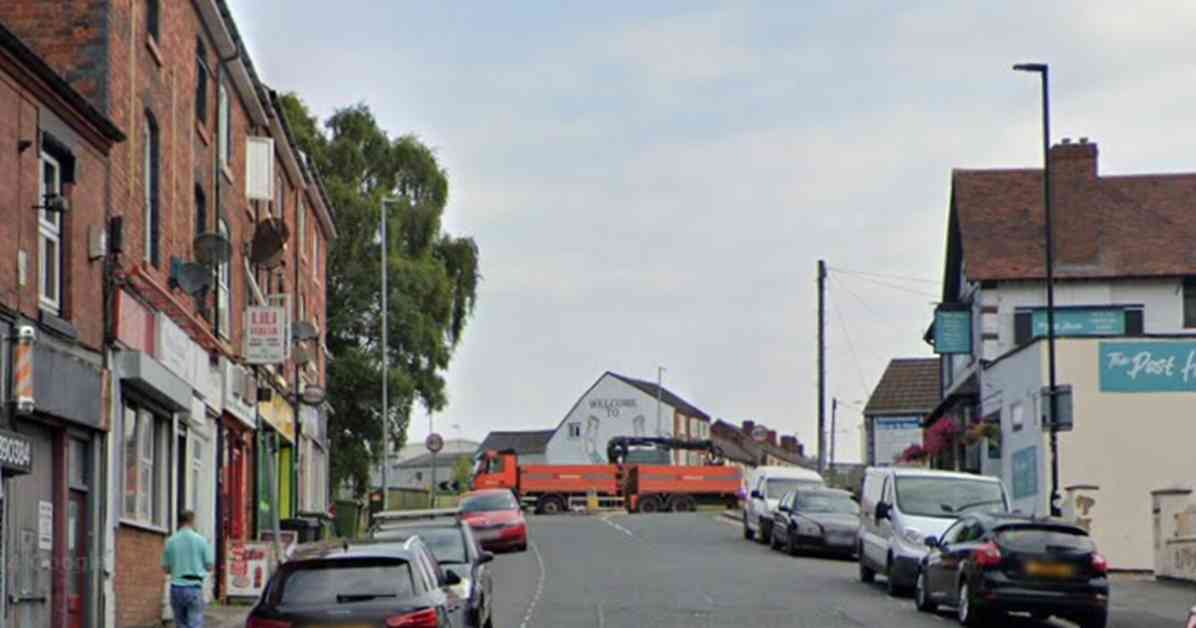
Birmingham, the second-most populous city in the United Kingdom, has embarked on an ambitious journey towards sustainability. The Birmingham Green Initiative, launched in 2020, aims to transform the city into a beacon of eco-friendly urban living. This initiative is not just about reducing carbon footprints but also about fostering a community that values and practices sustainability in all aspects of life.
Key Objectives
The primary goal of the Birmingham Green Initiative is to achieve carbon neutrality by 2030. To this end, the city has set several key objectives:
- Reducing greenhouse gas emissions by 50% by 2025.
- Increasing the use of renewable energy sources.
- Promoting sustainable transportation options.
- Enhancing green spaces and urban biodiversity.
- Encouraging sustainable practices in businesses and households.
Renewable Energy: Powering the Future
One of the cornerstones of the Birmingham Green Initiative is the transition to renewable energy sources. The city has invested heavily in solar and wind energy projects, aiming to source 50% of its energy from renewable sources by 2025. This shift is not only reducing the city’s carbon footprint but also creating new job opportunities in the green energy sector.
In addition to large-scale projects, the initiative encourages residents and businesses to adopt renewable energy solutions. Solar panel installations have seen a significant uptick, and community energy projects are gaining traction. For more insights on sustainable living and innovative projects, residents can explore önerilen makaleler okuma listesi.
Sustainable Transportation
Transportation is a major contributor to greenhouse gas emissions, and Birmingham is tackling this issue head-on. The city has expanded its public transportation network, making it more accessible and efficient. Electric buses and bike-sharing programs are being introduced to reduce reliance on fossil fuel-powered vehicles.
Moreover, the city is investing in infrastructure that supports walking and cycling. New bike lanes and pedestrian paths are being constructed, and existing ones are being upgraded. These efforts aim to make sustainable transportation options more attractive and convenient for residents.
Green Spaces and Urban Biodiversity
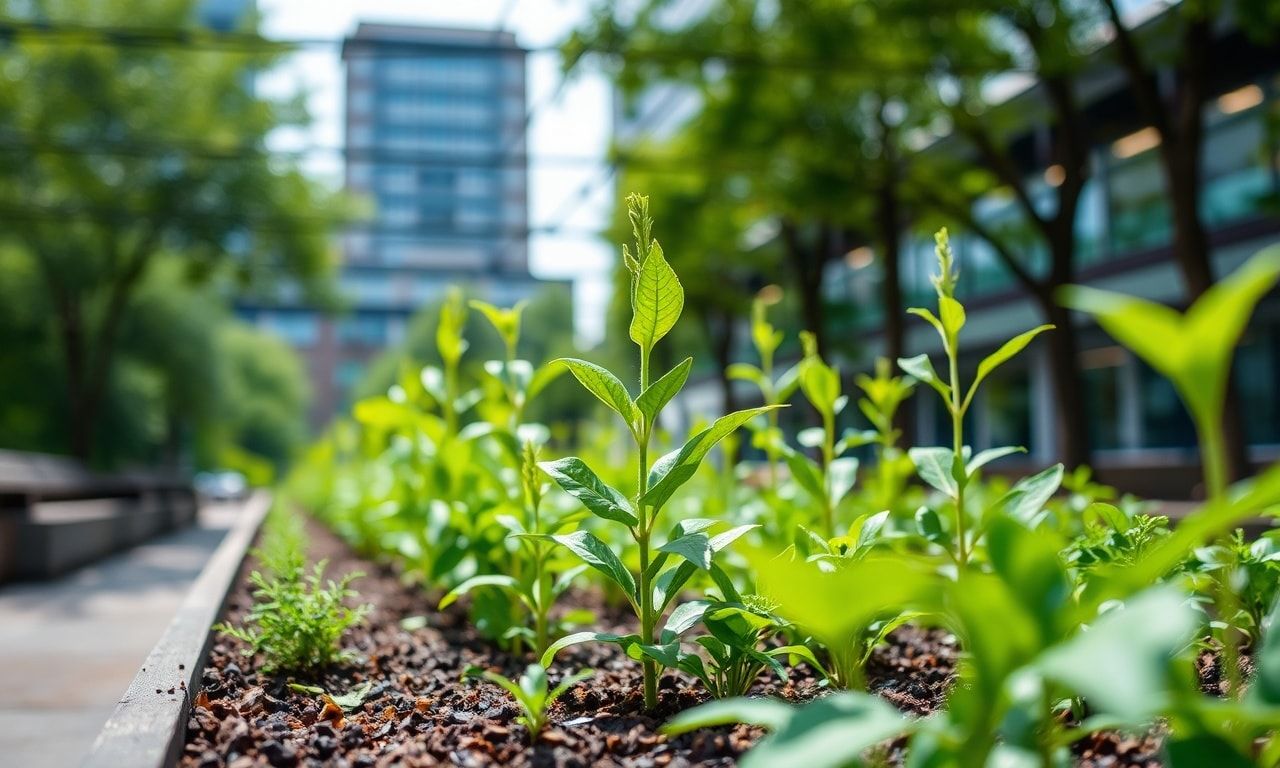
Birmingham is committed to enhancing its green spaces and promoting urban biodiversity. The city has launched several projects to create and maintain parks, gardens, and green corridors. These spaces not only provide recreational areas for residents but also support local wildlife and improve air quality.
Urban farming initiatives are also gaining popularity. Community gardens and urban farms are being established to promote local food production and reduce the environmental impact of food transportation. These projects not only contribute to sustainability but also foster a sense of community and shared purpose.
Community Engagement and Education
Education and community engagement are crucial components of the Birmingham Green Initiative. The city has launched various programs to educate residents about sustainable practices and encourage their participation in green projects. Workshops, seminars, and community events are regularly organized to raise awareness and promote sustainable living.
Schools and educational institutions are also playing a significant role. Curricula are being updated to include sustainability topics, and students are encouraged to participate in green projects. This early exposure aims to instill a sense of environmental responsibility in the younger generation.
The Road Ahead
The Birmingham Green Initiative is a comprehensive and ambitious plan that requires the collective effort of the entire community. While significant progress has been made, there are still challenges to overcome. Continued support from residents, businesses, and local authorities is essential to achieve the initiative’s goals.
As Birmingham moves forward, it serves as a model for other cities looking to embrace sustainability. The lessons learned and the strategies employed in Birmingham can provide valuable insights for urban areas around the world. By prioritizing sustainability, Birmingham is not only reducing its environmental impact but also creating a healthier, more resilient, and vibrant community.