
The Vision for a Sustainable Birmingham
Birmingham, the second-most populous city in the United Kingdom, has set an ambitious goal to become carbon neutral by 2030. This initiative, known as the ‘Green Birmingham’ plan, aims to reduce the city’s carbon emissions to zero within the next decade. The plan is a comprehensive strategy that involves various sectors, including transportation, energy, waste management, and urban planning.
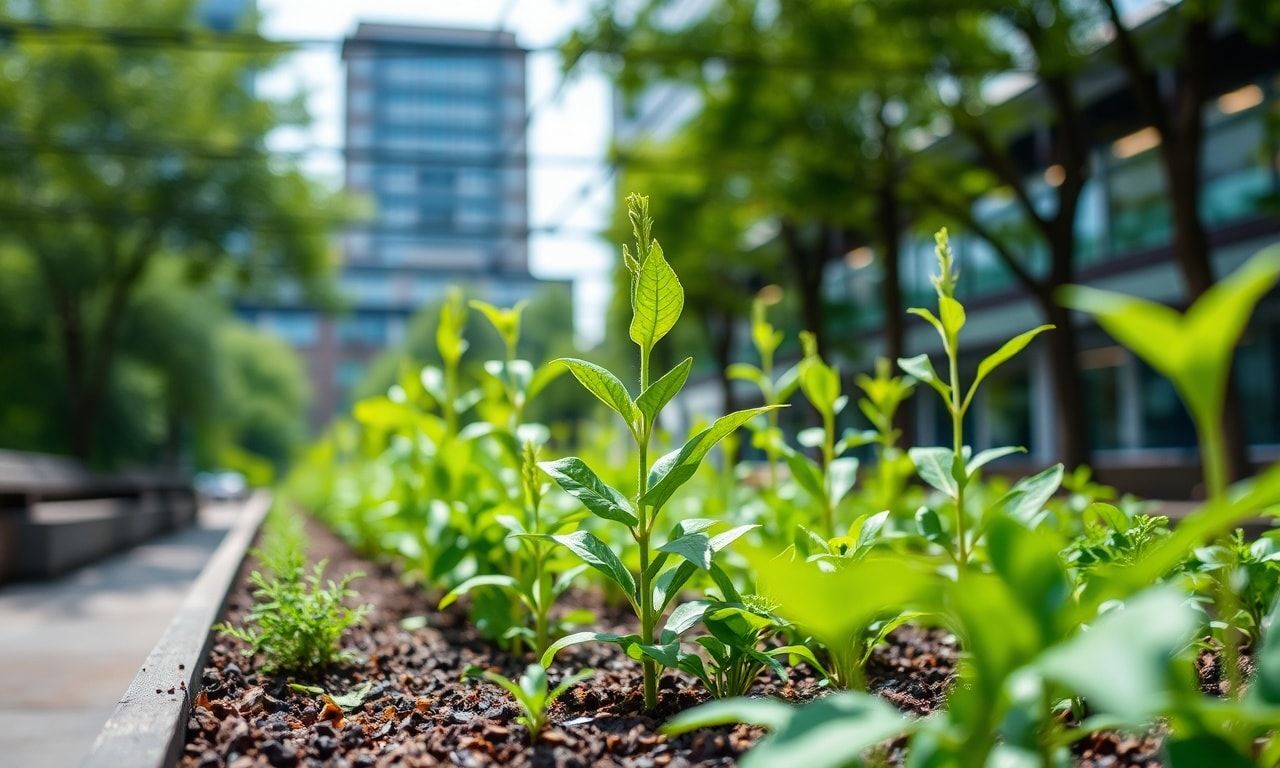
The city council has outlined several key objectives to achieve this goal. These include increasing the use of renewable energy sources, improving public transportation, promoting cycling and walking, and enhancing energy efficiency in buildings. The council has also committed to planting 250,000 trees by 2025 to absorb carbon dioxide and improve air quality.
Transportation: A Key Area of Focus
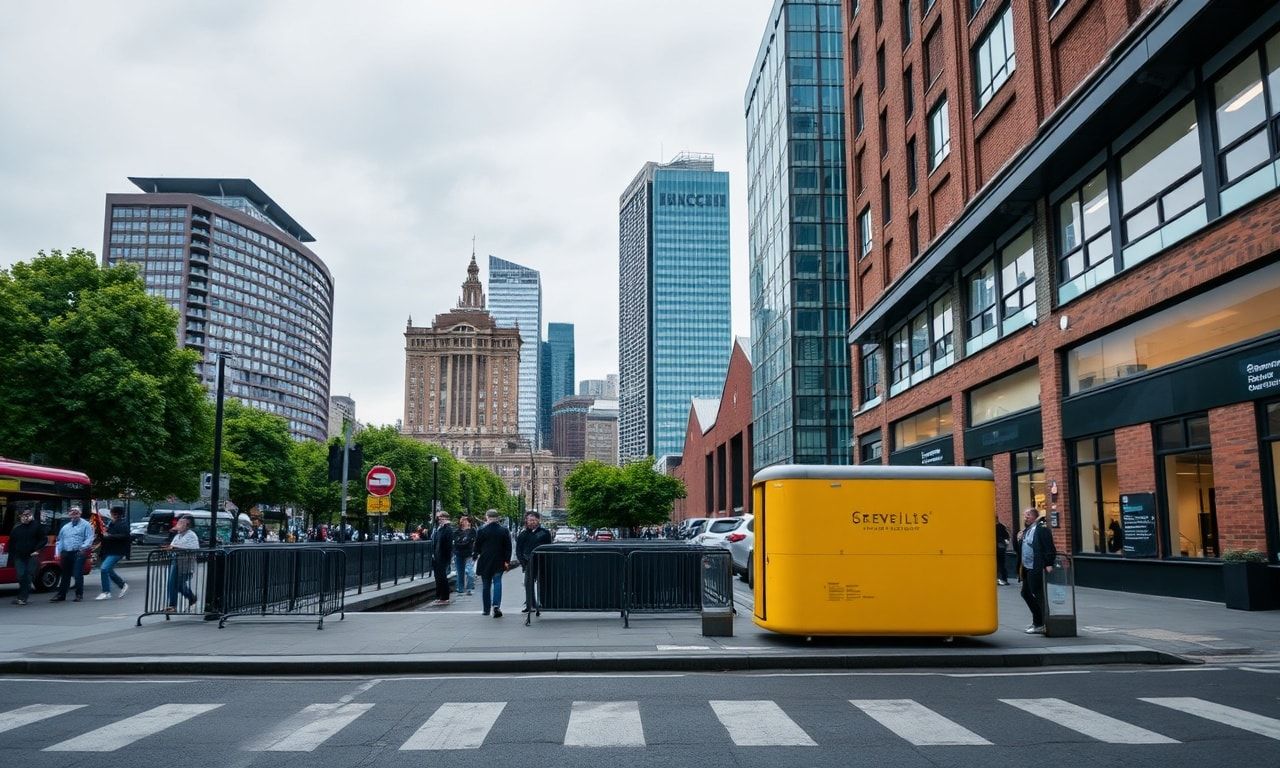
Transportation is one of the largest contributors to carbon emissions in Birmingham. To address this, the city plans to invest heavily in public transportation. This includes expanding the tram network, known as the West Midlands Metro, and introducing more electric buses. The council also aims to encourage cycling and walking by creating more bike lanes and pedestrian-friendly streets.
In addition, the city is exploring the possibility of introducing a congestion charge to reduce traffic and encourage the use of public transportation. This charge would apply to vehicles entering the city center during peak hours. The revenue generated from this charge would be reinvested into improving public transportation and cycling infrastructure.
Energy Efficiency and Renewable Energy
Birmingham is also focusing on improving energy efficiency in buildings and increasing the use of renewable energy sources. The city plans to retrofit thousands of homes and public buildings to make them more energy-efficient. This includes installing insulation, double-glazed windows, and energy-efficient heating systems.
The city is also exploring the possibility of generating its own renewable energy. This includes installing solar panels on public buildings and exploring the use of wind and hydro power. The council has also set a target to source 100% of its energy from renewable sources by 2030.
Waste Management and Recycling
Waste management is another key area of focus in Birmingham’s green revolution. The city plans to reduce the amount of waste sent to landfill and increase the recycling rate. This includes introducing a new waste collection system that separates different types of waste, such as food waste, recyclables, and general waste.
The council also aims to promote the use of composting and encourage residents to reduce their waste. This includes providing useful information daily tips on how to reduce waste and compost at home. The city is also exploring the possibility of introducing a pay-as-you-throw system, where residents pay for the amount of waste they produce.
Community Engagement and Education
Community engagement and education are crucial to the success of Birmingham’s green revolution. The city plans to involve residents, businesses, and schools in the transition to a low-carbon economy. This includes providing education and training on sustainable practices, such as energy efficiency, waste reduction, and sustainable transportation.
The council also aims to engage with local businesses to encourage them to adopt sustainable practices. This includes providing incentives for businesses to reduce their carbon emissions and promoting the use of local, sustainable products. The city is also exploring the possibility of introducing a ‘green business’ certification to recognize businesses that have made significant efforts to reduce their carbon footprint.
In conclusion, Birmingham’s green revolution is an ambitious plan that aims to transform the city into a sustainable, low-carbon economy. While the road ahead is challenging, the city’s commitment to this goal is a significant step towards a greener, more sustainable future. With the support of residents, businesses, and the wider community, Birmingham can achieve its goal of becoming carbon neutral by 2030.
In light of recent economic shifts, understanding personal finance and investing is more crucial than ever; our guide navigating financial landscapes offers essential advice for readers.
To stay informed about the latest developments shaping our world, consider exploring global changes and their impact.
As technology continues to evolve, it’s crucial to stay informed about its potential risks; explore today’s most destructive technologies and how to navigate them safely.