
The Current State of Birmingham’s Roads
Birmingham, the second-most populous city in the United Kingdom, has long been a hub of economic activity and cultural diversity. However, its road infrastructure has often been a topic of debate among residents and city planners alike. The city’s roads, while extensive, have faced significant challenges in recent years, including increased traffic congestion, potholes, and the need for modernisation to accommodate the growing number of vehicles.
According to recent data from the Department for Transport, Birmingham’s road network spans over 2,500 miles, encompassing motorways, A-roads, B-roads, and minor roads. The city’s strategic location in the West Midlands makes it a critical transport hub, connecting major cities like London, Manchester, and Liverpool. Despite this, the city’s roads have been rated as some of the worst in the UK for potholes, with over 50,000 potholes reported in the past year alone.
Traffic Congestion and Emissions
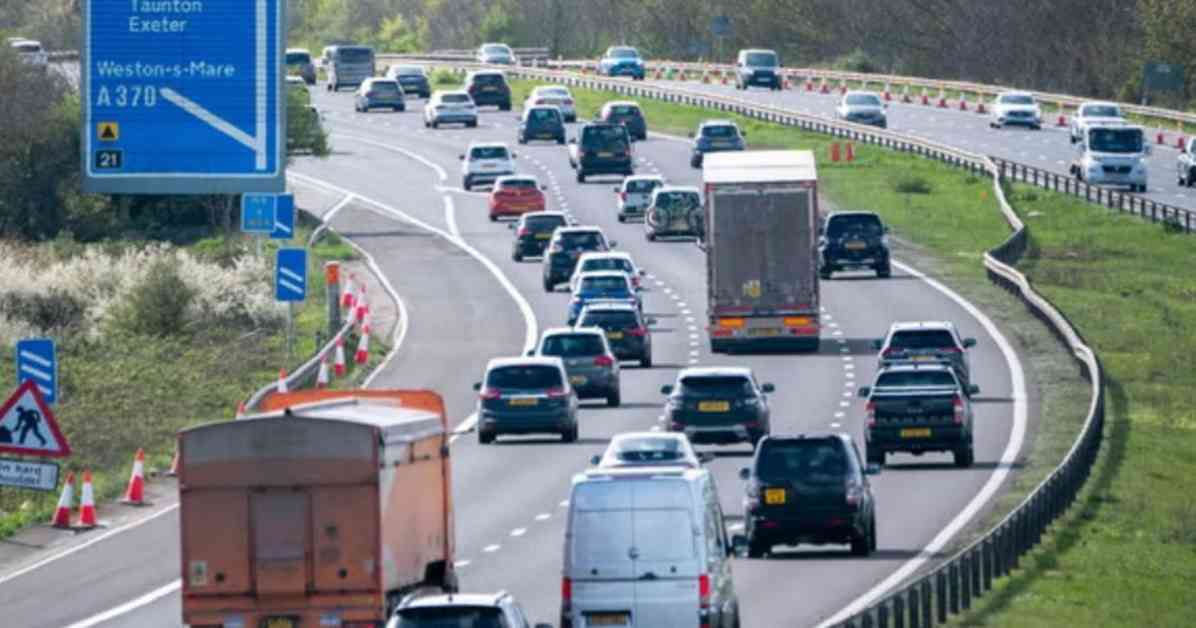
Traffic congestion is another pressing issue for Birmingham’s roads. The city’s population has been steadily increasing, leading to a rise in the number of vehicles on the road. This has resulted in longer commute times and increased air pollution. A report by INRIX, a global transportation analytics company, ranked Birmingham as the third most congested city in the UK, with drivers spending an average of 120 hours a year stuck in traffic.
In response to these challenges, the city has been exploring various solutions, including the introduction of a Clean Air Zone (CAZ) scheduled to launch in 2021. The CAZ aims to reduce emissions by charging high-polluting vehicles entering the city centre. Additionally, the city has been investing in public transportation, such as the expansion of the Metro and bus rapid transit systems, to provide alternatives to private vehicle use.
Recent Developments and Projects
Despite the challenges, Birmingham has seen several significant developments in its road infrastructure. One of the most notable projects is the A38(M) Astley Castle Interchange Improvement Scheme. This £40 million project aims to improve traffic flow and safety at the junction of the A38(M) and the A45. The project includes the construction of new slip roads, the widening of existing roads, and the installation of advanced traffic management systems.
Another major project is the A452 Birmingham Northern Bypass. This £200 million project aims to reduce congestion and improve connectivity between Birmingham and the surrounding areas. The bypass will provide a new route for traffic, reducing the need for vehicles to pass through the city centre. The project is expected to be completed by 2025 and will significantly impact the city’s road network.
Off-Road Adventures: Tips for Drivers
While Birmingham’s road infrastructure is a topic of much discussion, it’s also important to consider the skills and knowledge required for driving in different conditions. For those who enjoy off-road driving, understanding the techniques and precautions necessary can be crucial. If you’re a Honda Accord driver looking to venture off the beaten path, it’s essential to be prepared. For valuable insights and tips on Honda Accord driving in off-road conditions, drivers can explore resources that provide guidance on handling various terrains and ensuring safety.
Off-road driving can be an exhilarating experience, but it requires a different set of skills compared to driving on paved roads. Drivers should be aware of the vehicle’s capabilities and limitations, as well as the potential hazards of off-road environments. Proper preparation, including checking the vehicle’s condition, carrying essential tools and supplies, and understanding the terrain, can make a significant difference in ensuring a safe and enjoyable off-road adventure.
Future Prospects and Innovations
Looking ahead, Birmingham’s road infrastructure is set to undergo significant changes. The city has been exploring innovative solutions to address the challenges it faces, including the use of smart technology and sustainable materials. For instance, the city is considering the implementation of smart traffic management systems that use real-time data to optimise traffic flow and reduce congestion.
Additionally, Birmingham is committed to reducing its carbon footprint and promoting sustainable transportation. The city has set ambitious targets to become carbon neutral by 2030. This includes investing in electric vehicle (EV) charging infrastructure, promoting the use of public transportation, and encouraging cycling and walking as alternatives to driving.
Community Involvement and Feedback
The future of Birmingham’s road infrastructure is not just in the hands of city planners and engineers. Community involvement and feedback play a crucial role in shaping the city’s transportation network. Residents are encouraged to participate in public consultations, provide feedback on proposed projects, and share their experiences and concerns.
By working together, the city and its residents can ensure that Birmingham’s road infrastructure meets the needs of its diverse population and supports the city’s economic and cultural growth. The road ahead may be challenging, but with innovation, collaboration, and a commitment to sustainability, Birmingham can build a transportation network that serves as a model for other cities.